


![[NL] - Karper onderscheppen voor de paai: voorjaarstactiek met Koen Koops - KarperCentrale](http://www.carpcentral.com/cdn/shop/articles/nl-karper-onderscheppen-voor-de-paai-voorjaarstactiek-met-koen-koops-6982624.jpg?v=1779787845&width=10)
In this spring video, Koen Koops shows how to intercept carp before they head to the spawning zones. Spot choice, timing, water temperature, lily beds, and a reliable pop-up presentation all play a key role.
Carp fishing just before spawning
Spring is a period when carp behavior can change quickly. As the water warms, they break out of their winter rhythm and slowly move towards zones where they gather for spawning. For carp anglers, this is an interesting moment, because those who recognize the routes and gathering spots well can intercept the fish before they really start spawning.
In the video Successfully intercepting carp before spawning - Spring hunt - Koen Koops, Koen shows how he applies such a spring approach in practice. He fishes a water with emerging lily beds, shallower zones, and clear spots where carp feel safe.
The video isn’t about waiting long at one fixed spot. It’s about timing, preparation, and understanding the spring migration patterns of carp. Koen knows the fish move towards certain zones and tries to intercept them right there.
Starting early to seize the first chances
Koen starts early in the day. That’s often a smart choice in this period. The carp begin to move but aren’t yet active everywhere. By being there early, you can pick up the first signals and immediately respond to fish entering the zone.
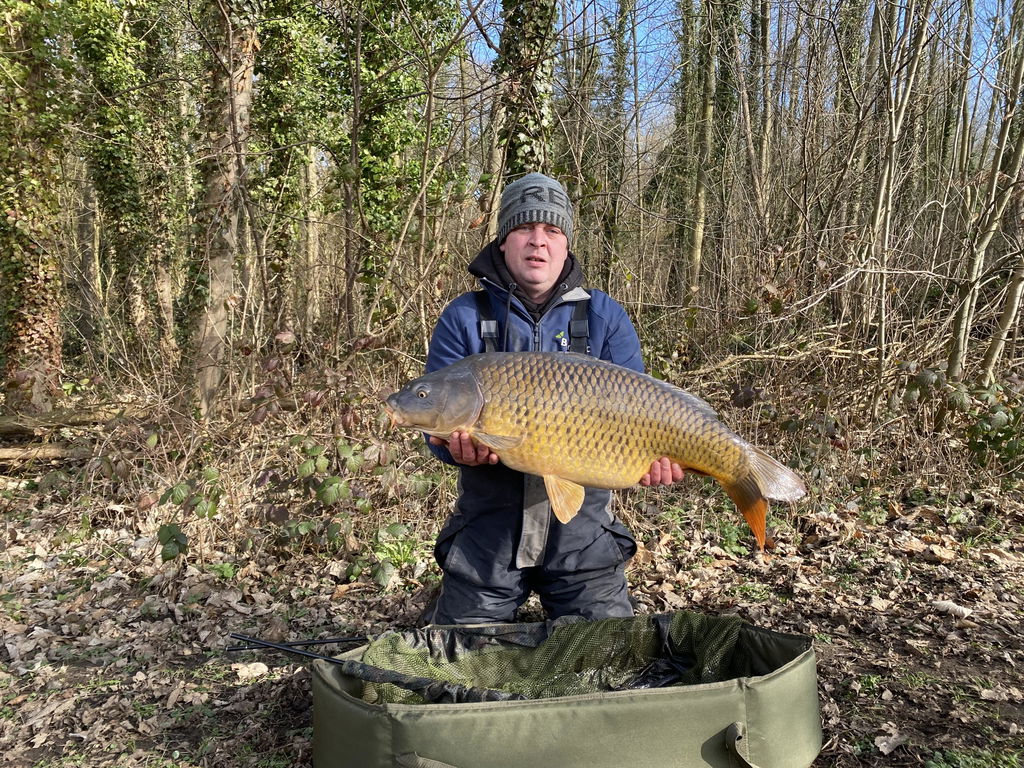
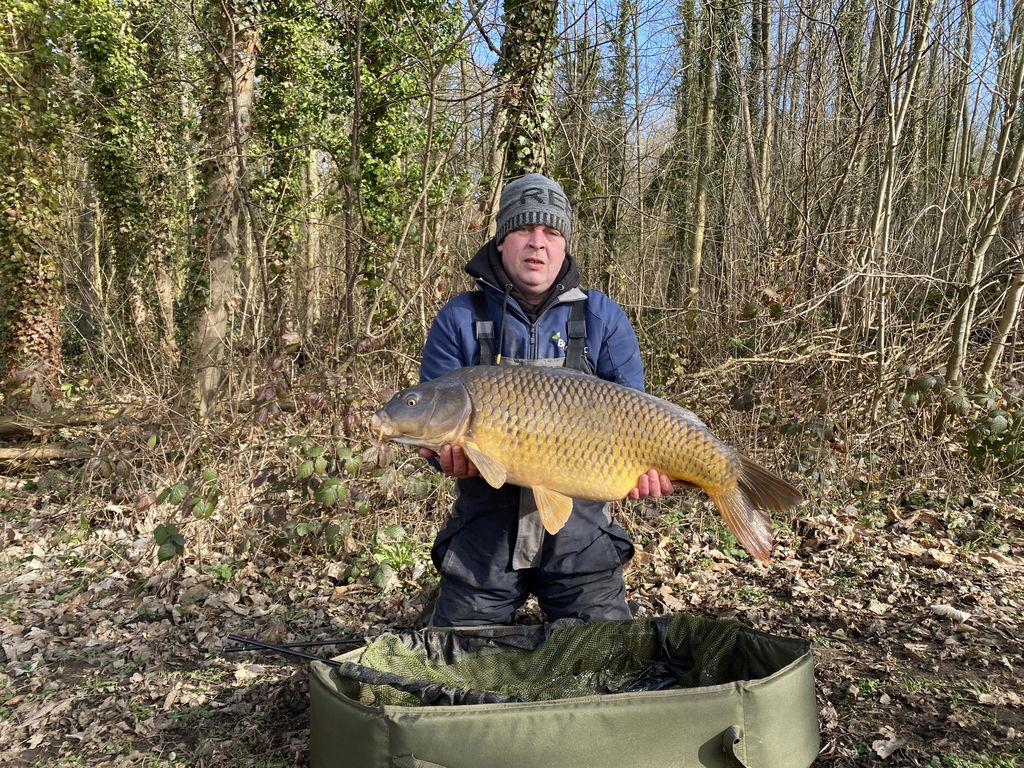
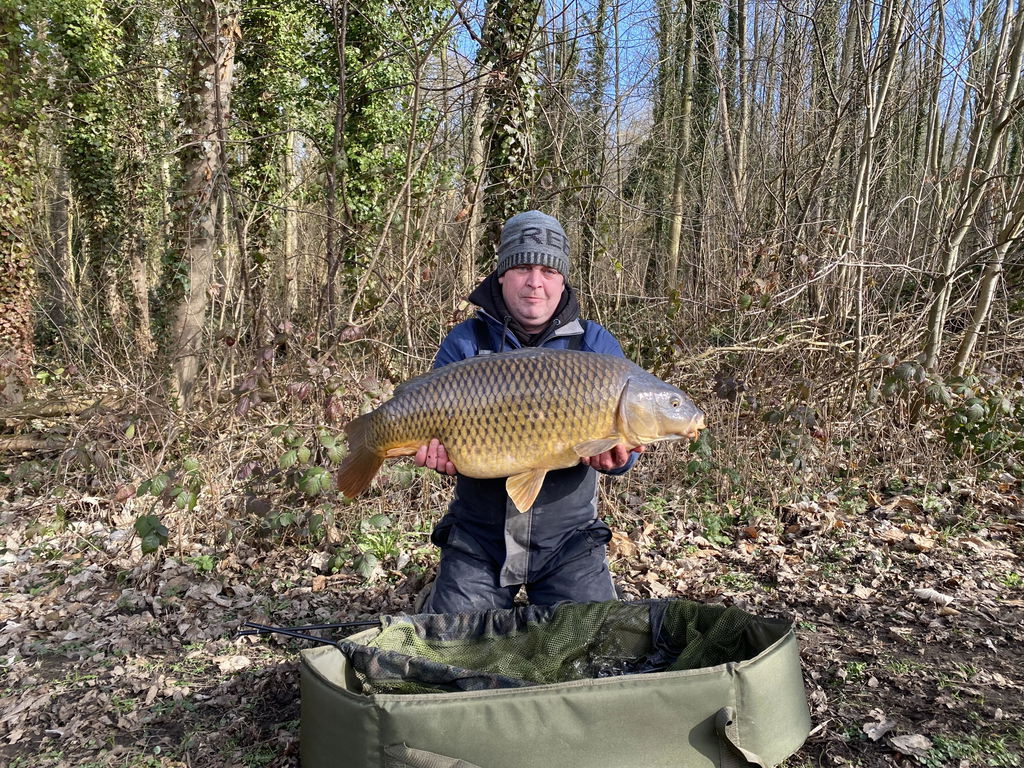
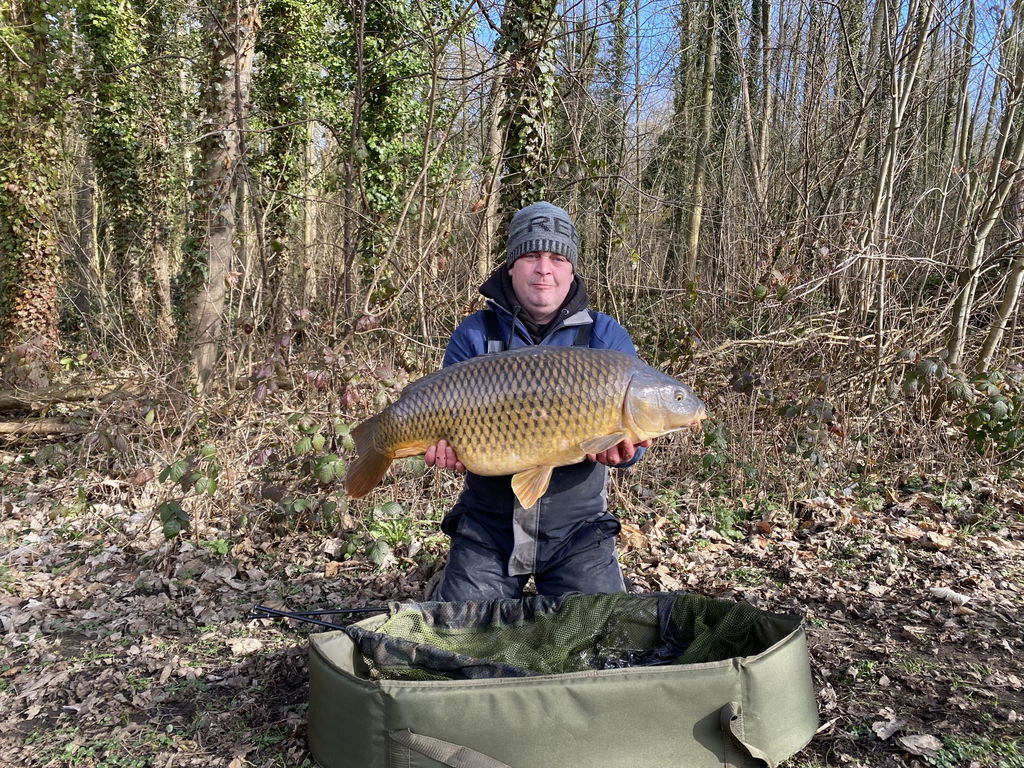
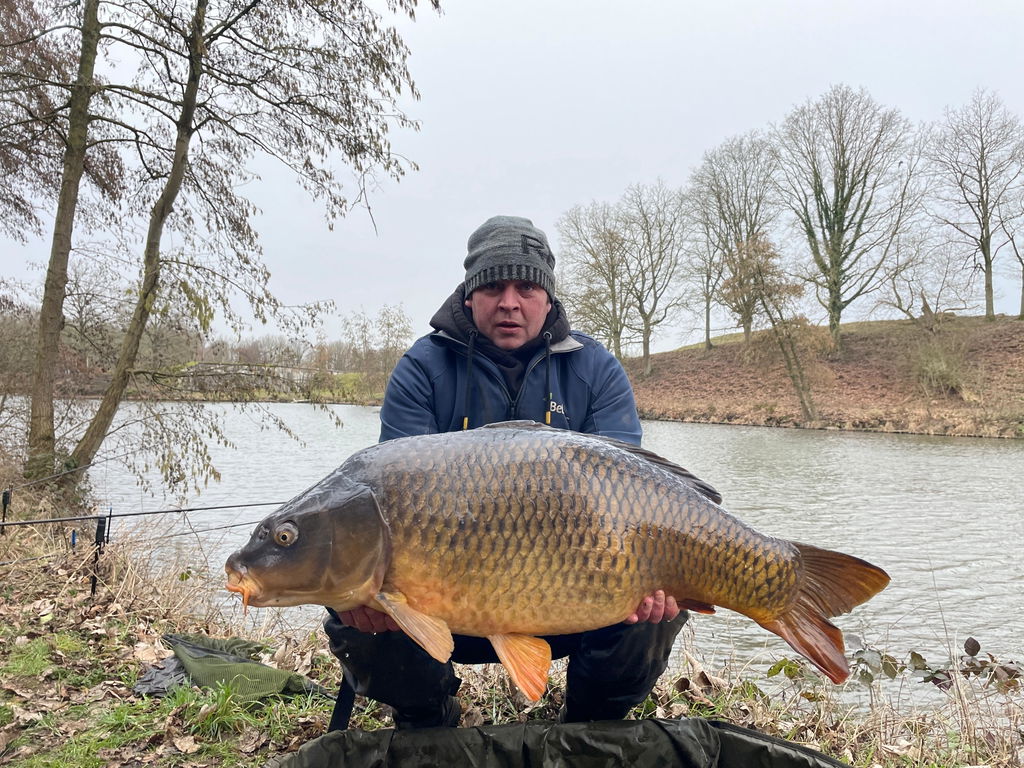
It quickly becomes clear that the timing is right. Within a short time, Koen gets action and the first nice carp is on the mat. A strong start, especially since the fish is clearly well-fed and heading towards spawning time.
That immediately shows how important it is in spring not only to watch the weather but also to understand the stage the fish are in. Are they still on their way to the spawning grounds? Are they already nearby? Or are they mostly up in the water and harder to catch on the bottom?
Why lily beds are so interesting
An important part of the video is fishing near lily beds. In spring, the lilies start to emerge. As long as they haven’t fully closed in yet, you can often still catch well there with the right rig and line choice.
Lilies offer carp shelter. They feel safe there, can move along them, and often use such zones as a stopover towards shallower, warmer water. That’s why edges of lily beds are interesting.
Koen deliberately fishes close to or just behind those edges. One rod goes to a spot among the lilies where he can find a clean patch. Another rod is placed along the edge, targeting fish that follow or pass the lilies.
The right leader among plants
When the lilies are not fully grown yet, Koen chooses a normal fluorocarbon leader. He keeps it relatively short. The advantage is that you still have enough control and the line can cut through the young plants.
As the lily beds grow thicker, the approach changes. Then Koen opts for a heavier braided leader. It’s better resistant to plants, obstacles, and tough fights.
That’s an important lesson for every carp angler fishing in these conditions. Your rig must not only hook well but also be suitable for the spot. Among plants, branches, and obstacles, you don’t want a weak link in your system.
Why Koen chooses a safe lead system
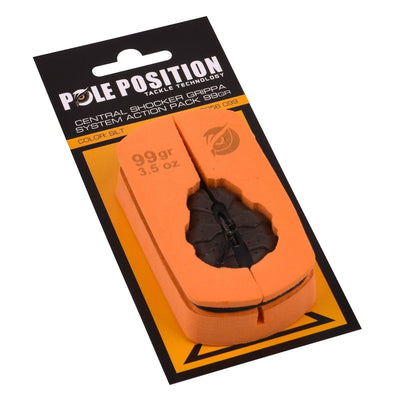
Koen uses a Central Shocker system. His reason is practical: he wants good bite indication and at the same time to know that the lead stays close to the hooklink when he picks up the rod.
This is especially important among plants. When a carp is hooked, you want quick control. You want to avoid the rig getting stuck unnecessarily or having a lot of loose line running through the plants.
Koen also emphasizes the safety of the system. On spots with branches, obstacles, and plant growth, a rig must be reliable and responsible. Especially in spring, when you fish close to spawning zones or plants, this is extra important.
Why a pop-up rig makes sense here
Koen fishes with his favorite pop-up rig. That’s no coincidence. Among plants and in spots where you don’t know exactly how the bottom lies, a pop-up offers more certainty than bottom bait.
The hookbait is free from the bottom and is therefore easier for the carp to find. You also prevent your hook point from getting lost in dirt, plant debris, or irregularities on the bottom.
In the video, the rig hooks the fish firmly. The hookups are neatly in the lower lip. That gives confidence, especially when the fights are fierce and the carp immediately try to head towards plants or obstacles.
A strong leader for fierce spring fights
The bites and fights in this video are powerful. Carp heading for spawning can be strong and react fiercely once hooked. That’s why Koen chooses robust leader material that can take a beating.
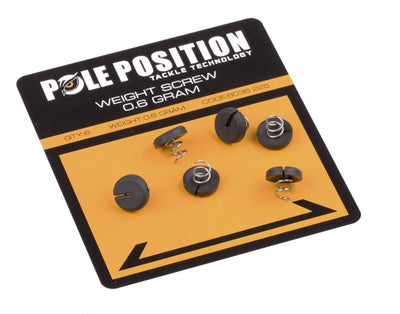
He uses a strong, well-sinking leader combined with a reliable hook and a bait screw. This allows him to quickly change pop-ups and keep the presentation practically at the water’s edge.
That’s exactly what you need in this fishery. You want to act quickly but not compromise on certainty. Especially when multiple bites come in quick succession, your gear must be ready immediately.
Preventing line swimmers with an extra tool
When fishing near lilies, your line can quickly run unfavorably through the water. Without an extra tool, the line from your rig can rise over the plants towards your rod. This increases the chance of line swimmers and spooking the fish.
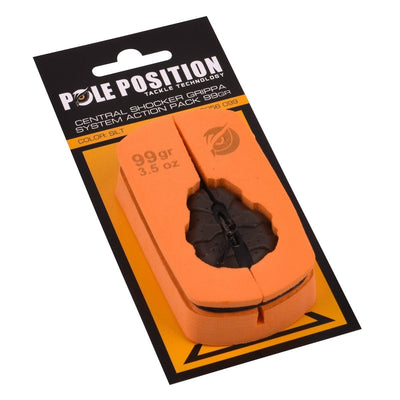
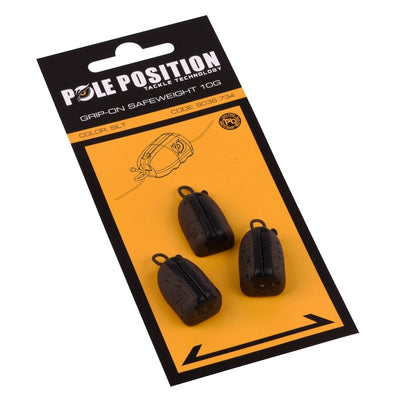
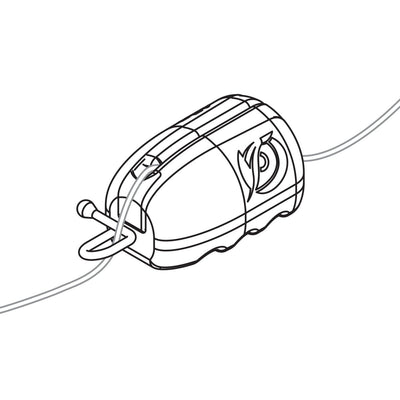
Koen uses a Grip-On leader-like tool for this. By placing it about a meter from the rig, he keeps the last part of the line flatter against the bottom.
This allows relatively tight fishing without the line running high through the water or over plants. For carp anglers fishing close to lilies or vegetation, such a detail can make a big difference.
Moving despite action
Notably, Koen decides to move after catching several fish. That might feel odd when the rods are running, but it fits his approach. He wants to fish different zones and adapt to where the fish are at that moment.
In spring, carp can move quickly. Sometimes they stay briefly in one spot, then move on, and the action disappears as fast as it came. Staying mobile increases your chances of finding new groups of fish.
That requires trust. You have to dare to leave a spot that has produced fish because you expect better chances elsewhere.
Spot selection based on temperature and migration behavior
An important takeaway from the video is how Koen selects his spots. Early in the spring, he checks the water temperature and the routes from wintering areas towards open water. As the temperature rises, the focus shifts to spots where carp gather for spawning.
Shallow water, quickly warming zones, shelter, and lots of plant growth become increasingly interesting. These are spots where carp like to hang out before the spawn really kicks off.
Koen also mentions that carp start following the wind more strongly later in the season. Before the spawn, spawn-oriented zones and shallower water are often more important than simply fishing on the wind.
When does a spawning zone become interesting?
According to Koen, the zones towards the spawn often become interesting when the water reaches around 12 to 13 degrees. Then fish start moving more towards shallow, sheltered areas.
For real spawning activity, usually an extra temperature boost is needed. Still, you can catch carp in the period before that. That’s what makes these kinds of spots so valuable.
The trick is not to be too late. Once the spawn really starts, you have to leave the fish alone. But in the lead-up, carp can be very catchable, especially when they move along fixed routes towards those zones.
Pre-baiting in spring
Koen prepares his spot by spreading some bait shortly beforehand. He doesn’t blindly feed large amounts but places bait between and behind the lilies. This way, he tries to build the fish’s confidence in the zone where he’ll later fish with a pop-up.
Before the spawn, a mix of bait can be interesting, but Koen says he clearly switches to richer bottom bait after the spawn. Carp need to recover then and can use more nutrition.
That distinction is important. During the spawn, it’s more about intercepting, triggering, and presenting smartly. After the spawn, you can often build more with bait because the fish enter a stronger feeding mode.
Weather, air pressure, and the right timing
The conditions in the video aren’t perfect. It’s warm, clear blue skies, and the air pressure is high. That can make fishing tough, especially when carp move higher up in the water.
Koen points out that falling air pressure after a warm spell can often be a strong moment. Especially when thunderstorms or clear weather changes are coming, carp can become more active in feeding.
For carp anglers, that’s a valuable tip. It’s not just the temperature that matters, but also the moment when the weather changes. The first phase of a drop can be exactly the time you want to be at the water’s edge.
Surface opportunities remain important too
Although the video’s core is about intercepting carp before the spawn, you also see that Koen and the cameraman don’t ignore other opportunities. When carp are high and feeding on the surface, they immediately respond to that.
That’s typical for spring fishing. You can have a plan, but the carp ultimately decide the best approach. If they’re low between the lilies, work with a pop-up presentation. If they’re high and active, surface fishing can suddenly be the best chance.
The lesson is simple: keep watching. Especially on warm spring days, carp can switch from bottom-oriented to high in the water within a few hours.
What you can take from this spring video.
This video clearly shows how effective it can be to intercept carp before they really start spawning. The fish gather in recognizable zones, move along plants, and respond well to a safe, noticeable presentation.
The key lessons are clear. Find quickly warming water. Watch for plant growth and sheltered zones. Fish precisely along lilies or on clean spots between them. Use a rig that’s safe and strong enough for obstacles. And choose a pop-up when you want extra confidence in your presentation.
Koen also demonstrates that timing is everything. The right spot at the right moment can produce multiple fish, but under high pressure and warm weather, the action can quickly stop. So stay mobile, keep observing, and be ready to adapt when the carp’s behavior changes.
Spring fishing is all about smart interception.
Successful carp fishing before the spawn isn’t about just picking a spot. You need to understand where the carp come from, where they’re heading, and which zones they use to gather safely.
In this video, Koen shows how good preparation, a strong rig, and sharp timing come together in an effective spring strategy. By fishing just outside or between the lilies, presenting a pop-up freely, and taking temperature and weather changes into account, he manages to catch multiple carp.
For carp anglers looking to get more out of their spring sessions, this video is extremely valuable. Not just for the catches, but especially for the thinking behind the approach: find the route, fish safely, and be present before the carp really start spawning.
About the author