

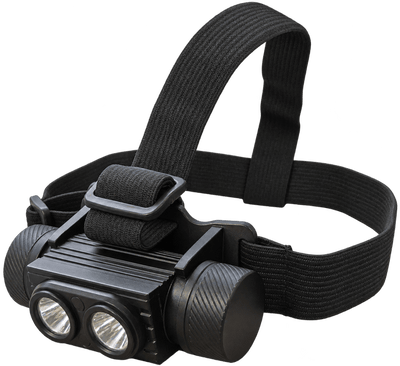
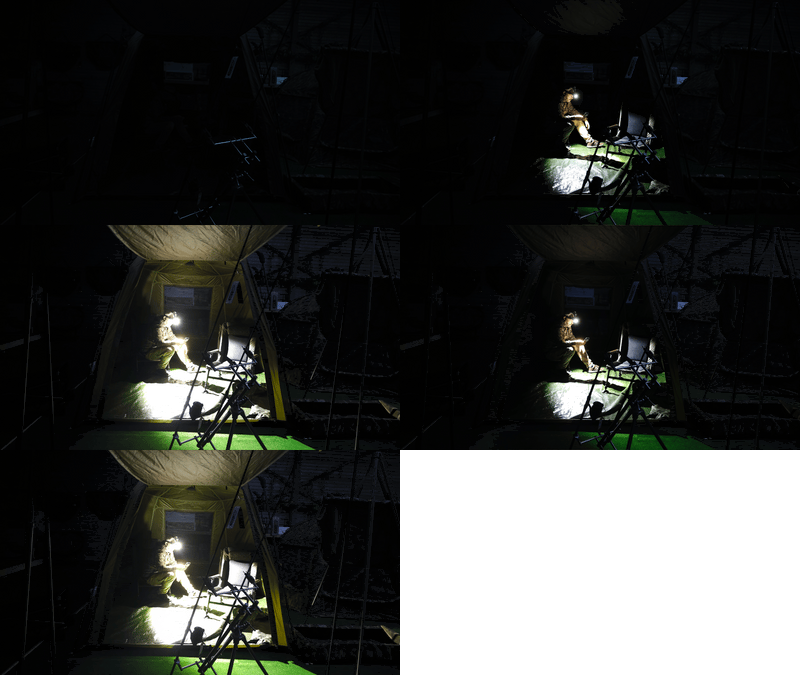
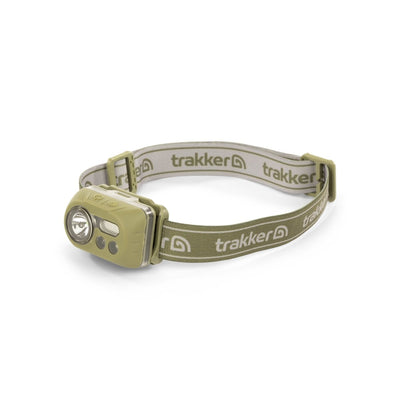
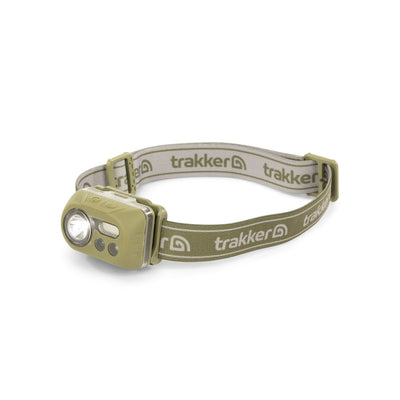
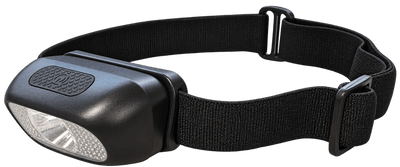
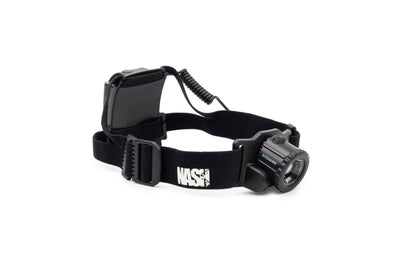
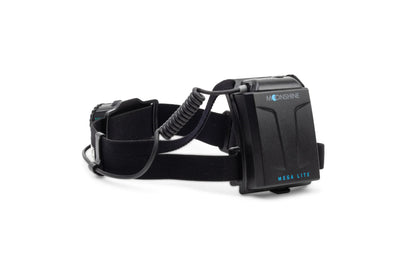
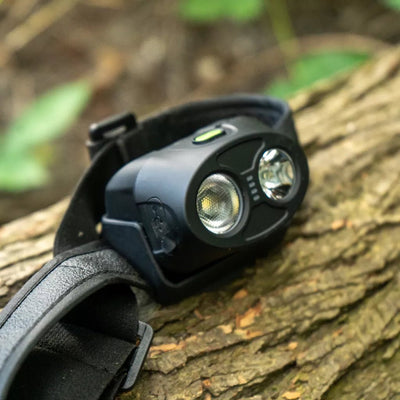
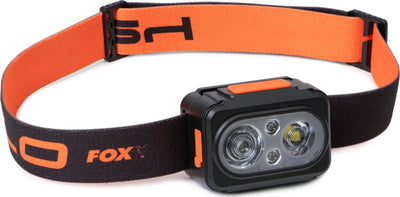
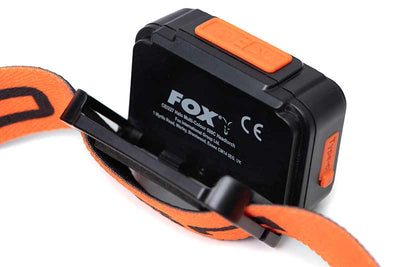
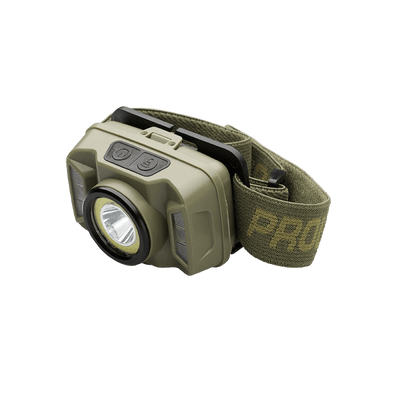
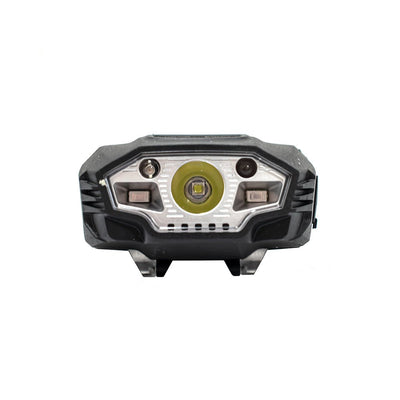
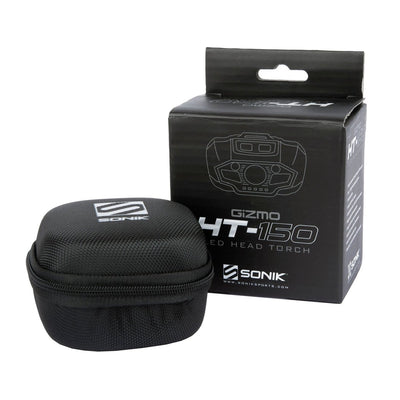
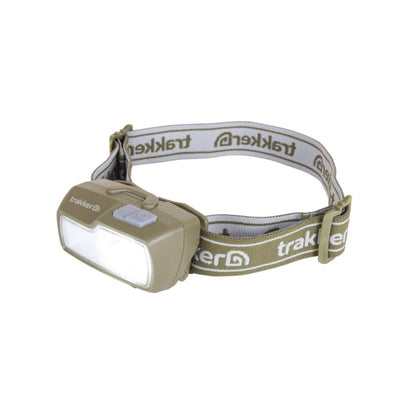
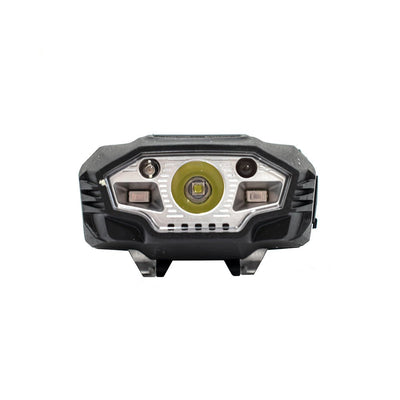
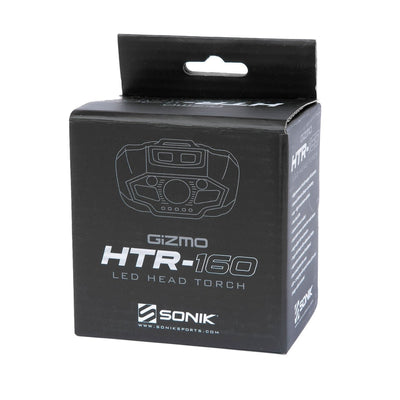
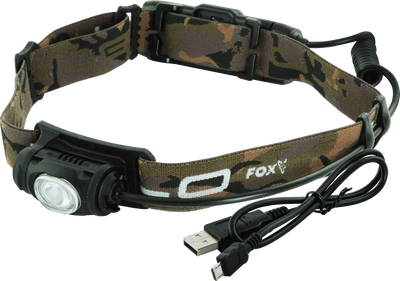
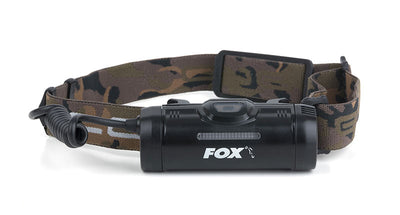
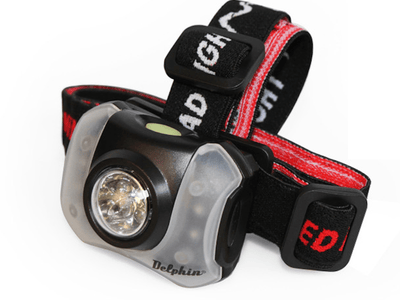
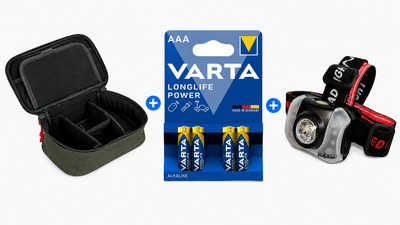
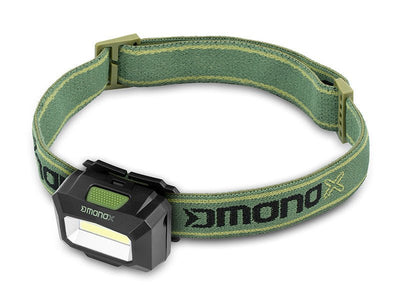
A good headlamp is an essential part of the gear for every carp angler who regularly fishes at night. When your bite alarm goes off in the middle of the night, you want to be able to rely immediately on sufficient light. Whether you need to fight a carp, grab your landing net, replace a leader, or walk safely along the water’s edge: reliable lighting makes all the difference.
At CarpCentral, you’ll find headlamps from specialized brands like RidgeMonkey, Trakker, Nash Tackle, Ledlenser, Prologic, Sonik, and Delphin. From compact headlamps for simple tasks to powerful, rechargeable models with different light colors and a long range. But what should you actually look for when buying a headlamp? And why is the cheapest headlamp not always the smartest choice?
Why is a good headlamp indispensable during night fishing?
As a carp angler, you often spend hours in complete darkness during a night session. As long as you sit or lie comfortably in your bivvy, lighting may not seem so important. But as soon as you get a bite, that changes immediately.
You need to be able to find your rod, walk safely to the water’s edge, and maintain an overview during the fight. When the carp swims towards obstacles or you still need to prepare your landing net, you don’t want to rely on a weak lamp that barely shines beyond your own feet.
Good lighting remains important even after landing the fish. You need to be able to carefully remove the hook, handle the fish responsibly, and check your gear. With a headlamp, you also keep both hands free, which is especially important when netting and unhooking carp.
A good headlamp not only provides extra comfort but also contributes to your own safety and the careful handling of the caught carp.
What does lumen mean in a headlamp?
When comparing headlamps, you will almost always encounter the term lumen. But what exactly is lumen?
Lumen, abbreviated as lm, is the unit used to indicate the total amount of visible light emitted by a light source. The higher the number of lumens, the more light a headlamp generally produces.
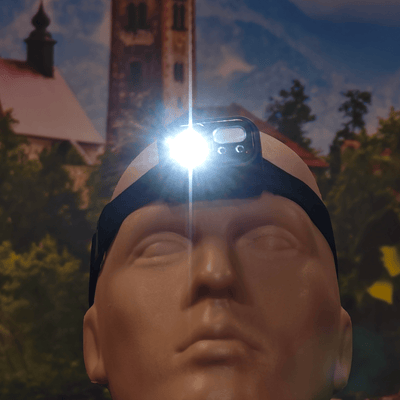
A headlamp with 500 lumens therefore has a higher maximum light output than a headlamp with 200 lumens. However, this does not automatically mean that the 500-lumen lamp shines further. The lens, reflector, and the way the light is focused play an important role in this.
How many lumens do you need for night fishing?
For carp anglers, it’s especially important to consider what the headlamp will be used for. Not every situation requires the same brightness.
- Up to about 150 lumens: suitable for simple close-up tasks like finding gear, tying rigs, or use around your bivvy.
- 150 to 300 lumens: a practical brightness for many everyday tasks during night fishing, depending on the beam.
- 300 to 600 lumens: handy when you need more light while playing a fish, netting, or moving along the bank.
- More than 600 lumens: mainly useful when you need a lot of light temporarily or extra visibility at longer distances.
These are practical guidelines, not strict rules. A quality headlamp with 200 lumens and a well-designed beam can be more comfortable in some situations than a cheap model with a much higher claimed output.
You don’t need to keep the lamp on the highest setting all night. Good headlamps have multiple light modes so you can adjust brightness to the situation and save energy.
What is the range of a headlamp and why does it matter?
Besides lumens, beam distance is one of the most important features of a headlamp. The range is usually given in meters and indicates how far a beam produces enough light according to a specific measurement method.
This is crucial for carp anglers. When playing a fish at night, you sometimes want to see further over the water to locate the fish. Also, when walking along a dark bank, a good beam helps spot obstacles in time.
Note: the stated maximum range does not mean you can see everything clearly and in detail at that distance. Actual usability depends on conditions, the beam, and the contrast of what you’re trying to see.
The difference between a wide and focused beam
Headlamps can spread light in different ways. Two types of beams are important:
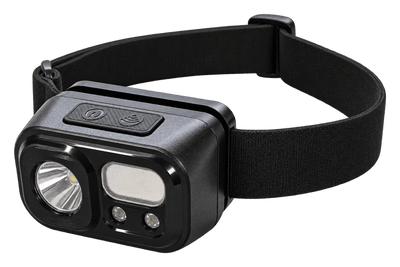
- Floodlight: a wide beam that illuminates a larger area nearby. Ideal for preparing your gear, unhooking a fish, or tasks around the bivvy.
- Spotlight: a narrower, focused beam that lets you see further. Handy for spotting obstacles, checking the water’s edge, or during a night fight.
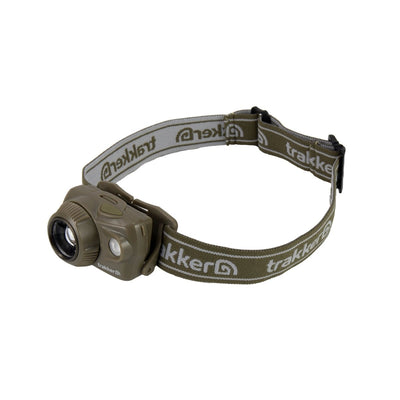
Some headtorches combine both options or feature an adjustable zoom function. A good example is the Trakker NiteLife Headtorch 580 Zoom. This headtorch delivers up to 580 lumens and has an adjustable beam allowing you to switch between wide and focused light.
For anglers who regularly fish at night, such a combination can be a major advantage. After all, you don’t use the same light to tie a rig as you do to scan along the bank.
Why cheap headtorches can turn out to be expensive
A headtorch for a few euros might seem attractive at first glance. Especially if you only fish at night occasionally, it’s tempting to pick the cheapest option. Yet with headtorches, cheap often ends up costing more in the long run.
The difference between a basic budget lamp and a quality headtorch isn’t just the lumen count. Reliability, battery quality, water resistance, build, and controls also play a crucial role.
A cheap headtorch can fail at the worst moment
Imagine this: you get a solid take in the middle of the night. You jump off your stretcher, switch on your headtorch, and walk to your rods. Halfway through the fight, the lamp starts flickering or goes out completely.
That’s not only annoying but can also create dangerous situations. Especially when you’re standing on a steep bank, fishing around obstacles, or handling a heavy carp.
Quality headtorches usually pay more attention to reliable electronics, battery management, and the durability of the build. This doesn’t guarantee the lamp will never fail, but it can significantly improve reliability during heavy use.
A high lumen count doesn’t tell the whole story
Some budget headtorches advertise impressive lumen counts. However, it’s wise to look beyond just the highest number on the packaging.
A headtorch can, for example, deliver a high light output briefly but then scale back over time to prevent overheating or a dead battery. A poorly focused beam can also mean that much of the available light output is of little practical use.
A quality headlamp with a well-designed lens, usable light settings, and reliable battery life can therefore be much more valuable in practice than a cheaper model with spectacular specifications.
Water resistance and build quality
Carp fishing means regularly fishing in damp conditions. Rain, mist, condensation, and wet hands are simply part of night fishing. A headlamp must be able to withstand that.
Therefore, pay attention to the IP rating. This indicates how well the lamp is protected against dust and water.
- IPX4: protected against splashing water from various directions.
- IP64: dust-tight and protected against splashing water.
- IP66: dust-tight and protected against powerful water jets.
- IP67: dust-tight and protected against temporary immersion under specified conditions.
For regular night fishing, good water resistance is an important advantage. A lamp with IP66, for example, is excellent for use in heavy rain but is not automatically suitable for prolonged underwater use.
A well-built housing, reliable buttons, and a sturdy headband are features you’ll especially appreciate during intensive use.
Rechargeable headlamp or headlamp with batteries?
When choosing a headlamp, you can also consider the power supply. In our range, you’ll find various rechargeable headlamps and models that run on replaceable batteries.
A rechargeable headlamp is especially practical if you fish at night regularly. You recharge the battery after your session and don’t have to keep buying loose batteries. Many modern models can be charged via USB or USB-C, allowing you to recharge them at the water’s edge with a suitable power bank.
A headlamp with replaceable batteries also has advantages. If you have no way to recharge, you can keep fishing immediately with spare batteries. Some models, like the Trakker NiteLife Headtorch 580 Zoom, even offer both options.
Pay attention to the actual battery life
Manufacturers often state a maximum runtime. It is important to know which light setting this value is based on.
The RidgeMonkey VRH300X Pro, for example, is designed for long-term use and boasts a maximum runtime of up to 670 hours. However, this impressive figure applies to the energy-saving green night light mode and not to the maximum white light intensity.
Always check how long the headlamp lasts on the modes you actually use. For long night sessions, reliable runtime on a normal light setting is often more important than an extremely long maximum burn time on the lowest setting.
Red or green light on a headlamp: what’s the advantage?
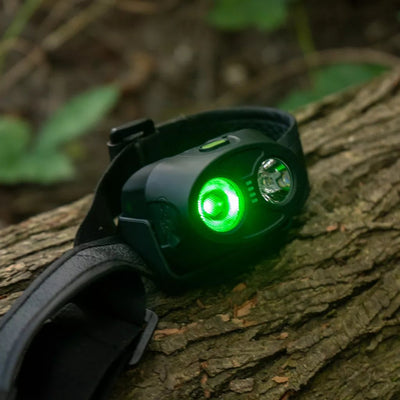
Many modern headlamps for carp anglers feature not only white light but also red or green modes. That’s no unnecessary luxury.
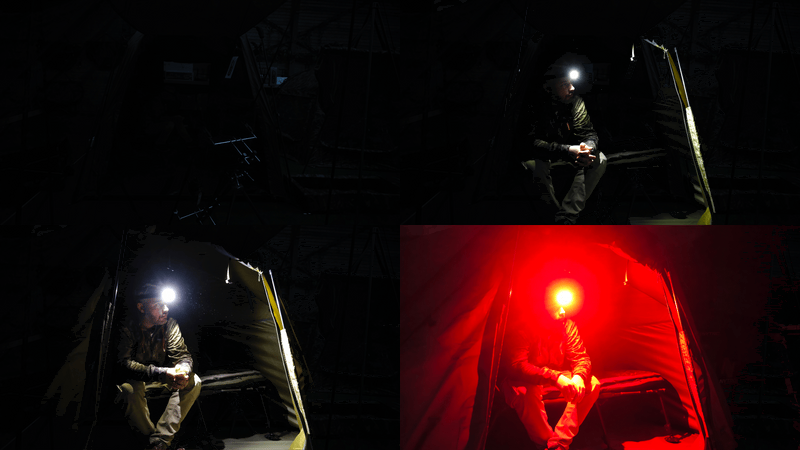
Red light at low brightness is comfortable for close-up tasks and helps maintain your dark adaptation. When you want to grab something from your tackle box or check your bite alarms in the middle of the night, you don’t need a bright white beam right away.
Green light is also regularly used by carp anglers. Some find it handy when walking along the bank or doing simple tasks. The effect on your night vision depends on the brightness and exact shade of the light.
In our range, you’ll find RidgeMonkey headlamps with multiple light colors, including white, red, and green. Models from Nash Tackle, Delphin, and Trakker also offer various light modes depending on the version.
Always use bright light consciously. Avoid shining unnecessarily on the water, towards other anglers, or directly into someone’s eyes.
Which headlamp suits your style of carp fishing?
Not every carp angler needs the same headlamp. The best choice mainly depends on how often you fish at night and under what conditions.
Headlamps for occasional night fishing
If you only fish at night occasionally, a simple headlamp with sufficient light output and a sturdy headband will do just fine. Think of compact models from Delphin or the Nash PowerbanX Moonshine Micro Lite. Pay particular attention to ease of use, battery life, and available light modes.
Headlamps for regular night sessions
For carp anglers who regularly spend multiple nights at the water’s edge, features like battery life, water resistance, and multiple light modes become more important. The RidgeMonkey VRH150X Pro and VRH300X Pro are examples of headlamps specifically designed for this kind of use.
Powerful headlamps for intensive use
If you want a headlamp with high light output or a well-adjustable beam, models like the Prologic Inspire 500 Lumens and the Trakker NiteLife Headtorch 580 Zoom are worth considering.
Ledlenser and HOLDCarp also offer head torches in our range where lighting technology, range, and robust construction are key features. Always check the individual product specs to make the right choice.
Practical tips for using a head torch during night fishing
Even the best head torch works better when used correctly. A few simple habits can prevent discomfort during a night session.
- Fully charge your head torch before you leave.
- Check beforehand that all light modes work properly.
- Use a low light setting for simple tasks to save energy.
- Only switch to maximum brightness when you need extra visibility.
- Keep a spare head torch or suitable spare batteries within reach.
- Clean the torch after use and check charging ports and seals for dirt and moisture.
- Aim the beam carefully when unhooking so you can work well without shining directly into the fish’s eyes.
An extra bivvy lamp can also be handy if you want to light up a larger area around your bivvy. That way, you don’t have to keep using your head torch for tasks at your swim.
Buy head torches at CarpCentral
If you want to buy a head torch for carp fishing, it’s wise not to focus solely on price or maximum lumens. A good head torch must be reliable when you really need it.
At CarpCentral, you'll find head torches from brands like RidgeMonkey, Nash Tackle, Trakker, Prologic, Ledlenser, Sonik, and Delphin. From compact models for simple tasks to powerful rechargeable head torches with multiple light colours, adjustable beams, and long battery life.
Our advice is simple: first determine how much light and range you actually need, then consider battery life, water resistance, comfort, and build quality. Especially if you fish at night regularly, investing in a solid head torch is a smarter long-term choice than constantly replacing cheap ones.
Check out our range of head torches at CarpCentral and pick a model you can rely on for good visibility, comfortable handling, and dependable lighting during your next night session.