



![[ENG] - Mayhem in the Mountains: karpervissen tussen de chaos in de Alpen - KarperCentrale](http://www.carpcentral.com/cdn/shop/articles/eng-mayhem-in-the-mountains-karpervissen-tussen-de-chaos-in-de-alpen-6509597.jpg?v=1779787827&width=10)
Darrell Peck and Christopher Paschmanns fish a unique park lake in the Southern French Alps. Amid swimmers, boats, tourists, and constant noise, they show that carp sometimes feel right at home in complete chaos.
Carp fishing on a park lake in the Alps
Carp fishing is often seen as peace, quiet, and solitude. But in this episode of Thinking Tackle Alps, everything is different. Darrell Peck and Christopher Paschmanns fish a beautiful park lake in the Southern French Alps, where the scenery is breathtaking but tranquility is nowhere to be found.
The water lies between the mountains and has everything you expect from a special French destination: clear water, old carp, shallow zones, weed, plateaus, and an impressive backdrop. Only this is no remote carp water. It’s a lively recreational lake where swimmers, tourists, boats, SUPs, divers, joggers, and even concerts are part of the daily hustle and bustle.
That’s exactly what makes this video so interesting. Where many carp anglers see crowds as a disadvantage, Darrell and Christopher discover that the carp here are fully accustomed to human activity. In fact, at times the chaos seems to actually kickstart the fishing.
A water where nothing is normal
From the start it’s clear this won’t be a standard carp session. Christopher already knows the water from a previous visit and knows the carp are surprisingly catchable amid all the activity. Darrell visibly needs some time to get used to it.
They fish near beaches, floating play platforms, and zones where people are constantly in and on the water. That feels unnatural for a carp angler. Normally you want your lines tight and away from anything moving. Here, people sometimes literally swim over the spots where the rigs lie.
Still, the first takes don’t take long. Christopher gets bites while there’s plenty of commotion around him. The carp don’t dive away from the disturbance. They’ve lived in this environment for years and seem to accept the movement above them as normal.
Why chaos can sometimes produce carp
An interesting point in the video is that the activity on the water may even stir up food. Swimmers, divers, boats, and boards can disturb the bottom. This releases natural food particles and makes the carp curious.
That doesn’t mean you can fish anywhere. Darrell and Christopher deliberately look for small clean spots, edges of zones, and places where carp hang out. It’s not about fishing randomly in the crowd, but understanding where the fish keep coming back despite the commotion.
The first successes come with a targeted approach. They don’t fish with huge amounts of bait but lay down small traps. A few handfuls of tiger nuts and boilies are enough to make a rig attractive without overloading the spot.
Finding the right spot remains everything
Despite all the unusual conditions, the main rule stays the same: you have to find the carp. Darrell points out that carp fishing is basically simple. Find the fish, find a spot where you can present well, use bait they want to eat, and make sure you have a reliable rig with a sharp hook.
This lesson comes up repeatedly. When they see little carp in one part of the lake, they deploy the drone. From the air, they see their own zone is actually empty, while the other side of the water shows plenty of activity.
That’s when they decide to move. Not sitting still because everything is set, but acting on what you see. This mobile approach suits Christopher perfectly. He wants to stay close to the fish, keep searching, and get as much as possible out of a short session.
Moving to the fish
The move to the shallower part of the lake changes the session completely. The carp lie close to the bank, in very shallow water. Despite all the boats and movement around, they remain present.
Once the rigs are in the right spots, the action comes quickly. Within a short time, multiple takes follow. This again shows how big the difference can be between fishing a nice spot and fishing the right spot.
Darrell sums it up well: five minutes on the right spot can yield more than hours waiting on a spot without fish. Every carp angler recognizes that. Especially on big or unknown water, location often matters more than any other detail.
Multi Combi rig and subtle traps
An important technical element in this session is the Multi Combi rig. Both Darrell and Christopher use this rig a lot, especially on clean spots with slow-sinking hookbaits. The rig is reliable, strong, and suitable for a neat presentation on hard or fairly clean bottoms.
In the video, they fish with wafters, boilies, and eye-catching toppers. Christopher uses an attractive presentation with a small topper, while Darrell later opts for bigger boilies to fish more selectively. That makes sense, as many smaller carp are active too.
The bait approach remains practical. Boilies and tiger nuts form the base. Tiger nuts are especially popular on French waters because carp love them and they work well in tricky conditions. The combination of quality boilies and a compact amount of tiger nuts fits well with the idea of small, targeted bait spots.
Fishing with boat, drone, and sonar
This session also clearly shows how modern carp fishing on big water can be. The drone helps find carp, clean spots, and murky water. Murky water is an important signal here because it can reveal where carp are rooting in the bottom.
With the boat and sonar, they further explore the zones. They look for clean patches between weed and soft bottom. Those small open spots are ideal to lay the rig. This way, they fish not only where the fish are but also where the presentation is reliable.
At the same time, it’s physically demanding. No motor is allowed, so they have to row. With wind, distance, and heat, that becomes a tough job. Still, the effort is necessary to fish exactly where the carp are active.
Old carp among tourists and mountain air
What makes this video special is the combination of chaos and beauty. On one hand, there’s constant hustle. On the other, Darrell and Christopher land old, characterful carp in a setting that’s almost unreal in its beauty.
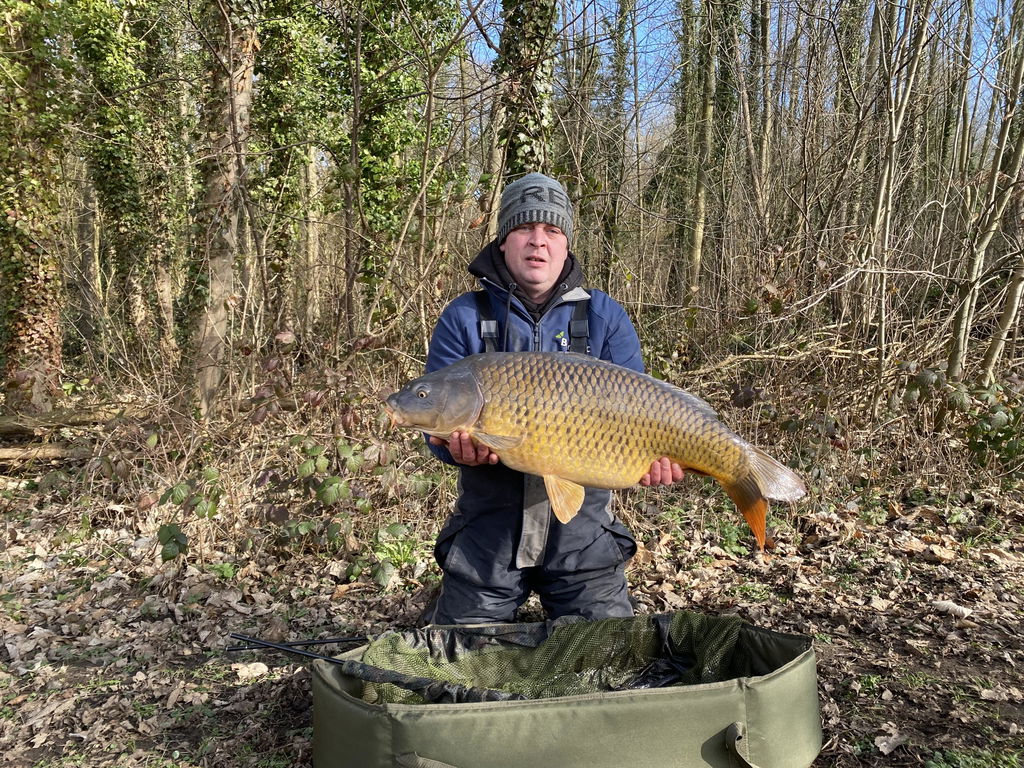
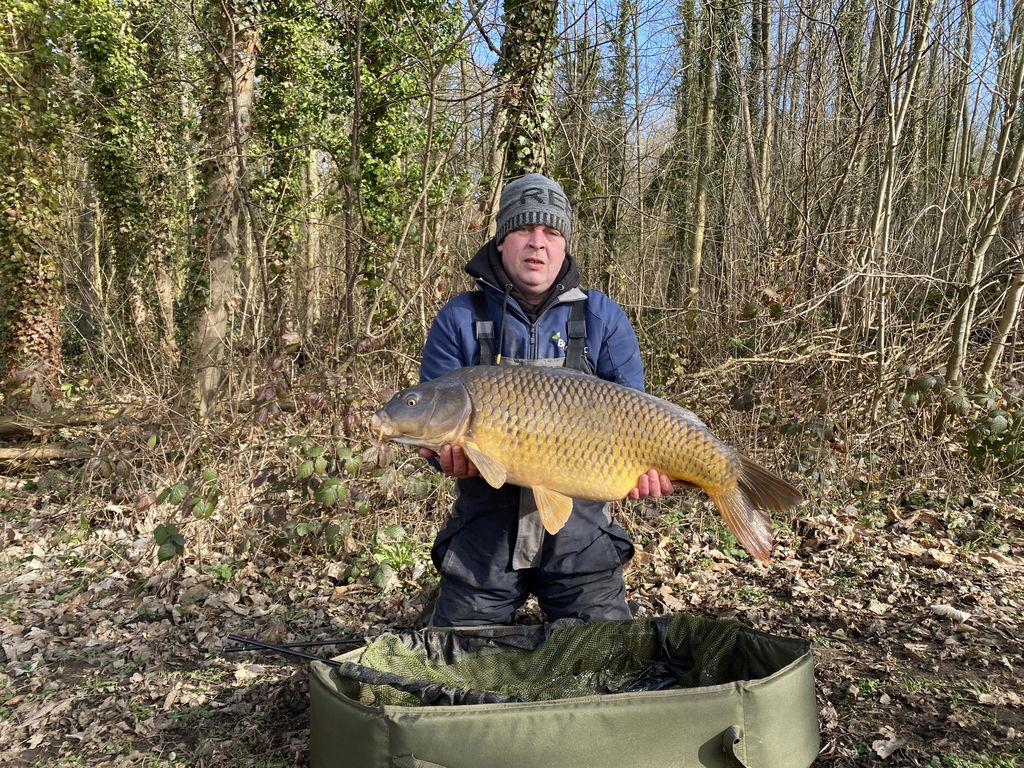
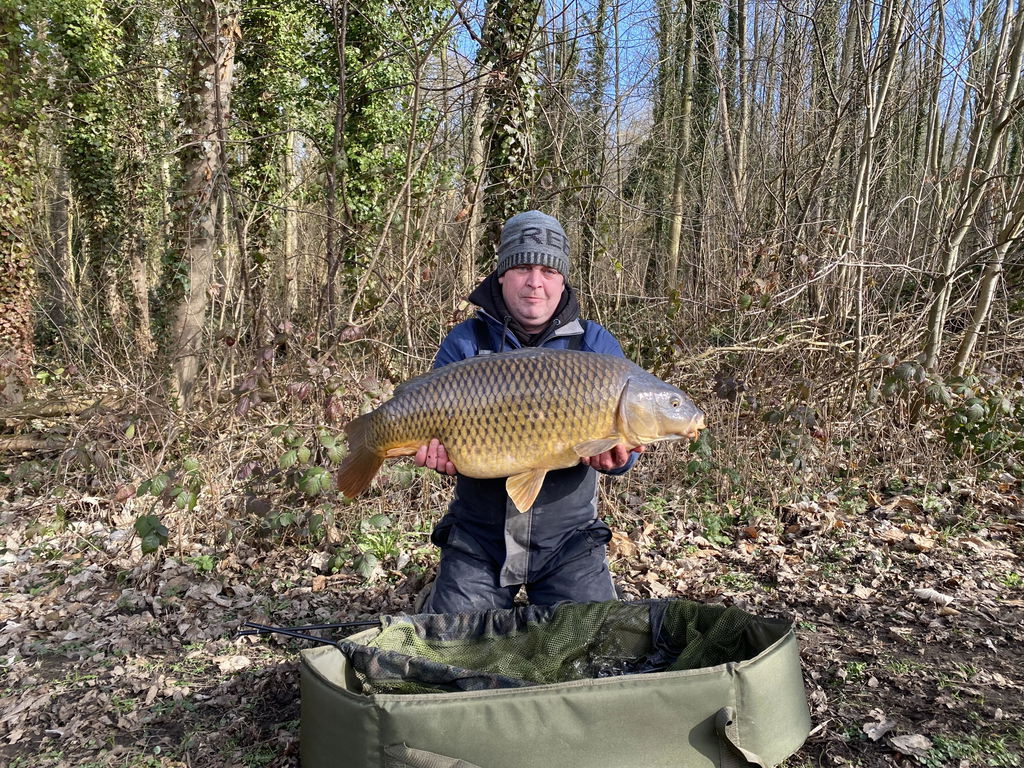
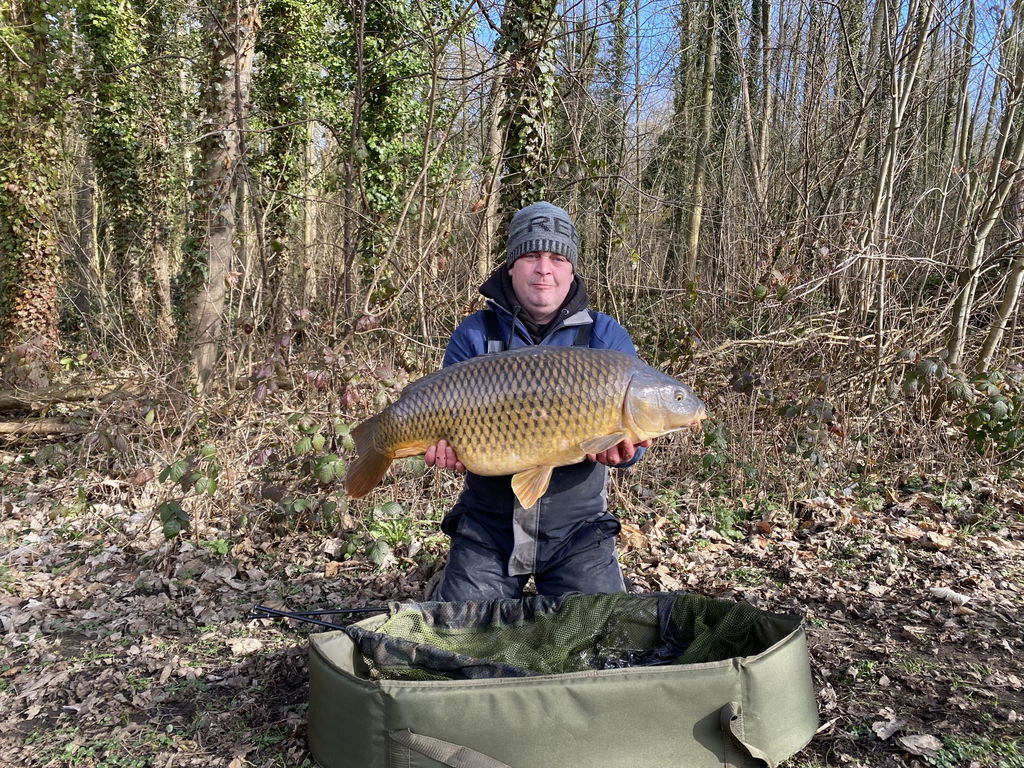
Several fish come to the bank, including old, dark, and beautifully built carp. Some aren’t giants but have exactly the character many carp anglers travel for. Later in the session, bigger fish also come free and the 20 kilo barrier is broken.
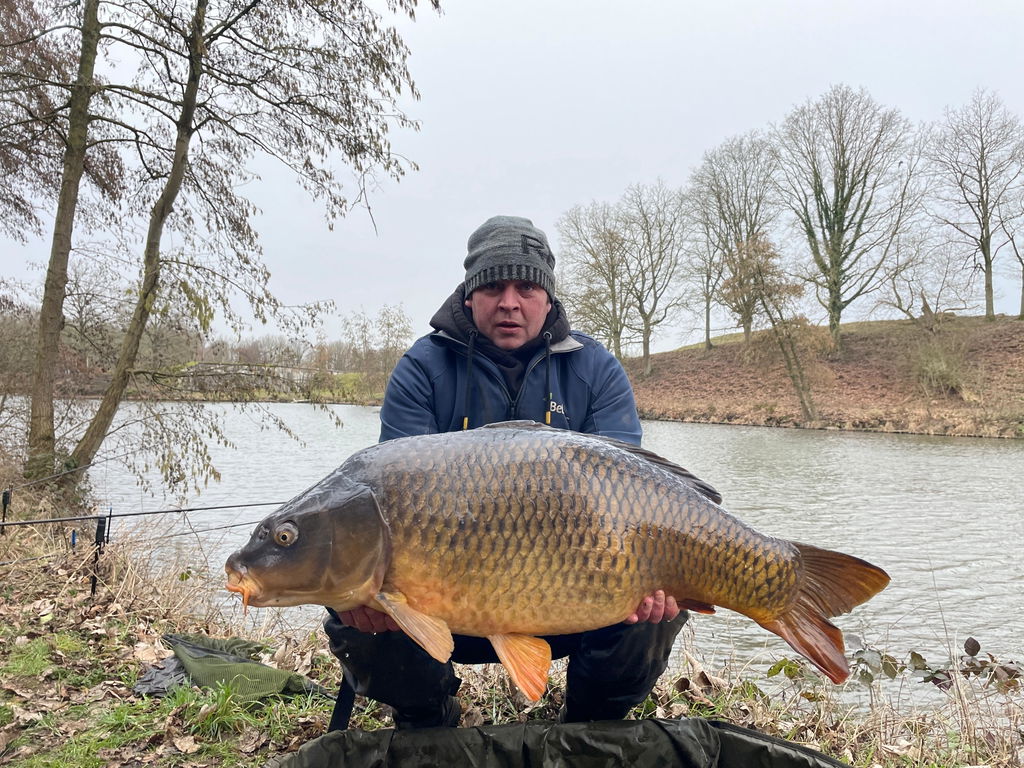
The highlight is a double take with two heavy carp. One fish weighs around 22 kilo and the other just over 50 lb. Exactly the kind of catch they hoped for during the session. Not just because of the weight, but especially because of the type of fish: old, strong, true Alpine carp.
What you can take from this session
This episode of Thinking Tackle Alps shows that carp fishing doesn’t always go by the book. Sometimes carp don’t swim in the quiet spots. Sometimes they lie where the most happens. And sometimes you have to accept that a water has its own rules.
The most important lesson is to keep watching what the carp do. Don’t fish based on what feels logical, but on evidence. If you see murky water, carp on the drone, or activity in a shallow zone, you have to dare to switch.
Besides that, the video shows how important a reliable foundation is. A good rig, a sharp hook, strong line, a safe setup, and a compact bait strategy make the difference when the situation is hectic.
For carp anglers who love adventure, mobile fishing, and searching for special carp, this is a great video. It’s not a quiet session at a deserted lake, but a chaotic Alpine adventure where Darrell Peck and Christopher Paschmanns show that sometimes you have to be right in the middle of the hustle to find the carp.
About the author