

![[ENG] - Scott Lloyd Vs. Spring: karpervissen in het voorjaar - KarperCentrale](http://www.carpcentral.com/cdn/shop/articles/eng-scott-lloyd-vs-spring-karpervissen-in-het-voorjaar-8906140.jpg?v=1779787819&width=10)
In this video, Scott Lloyd follows his spring session at Linch Hill Fishery. A session where changing weather, busy swims, active carp, and sharp decisions determine whether he ultimately manages to find the fish.
Why spring carp fishing is so special
Spring is one of the most interesting times of the year for many carp anglers. The days get longer, nature awakens, and the carp slowly come out of their winter rhythm. However, that doesn’t automatically mean it gets easy. Especially in spring, conditions can change rapidly.
In the video Scott Lloyd Vs. Spring | Carp Fishing Through The Seasons, Scott Lloyd shows how important it is to rethink your approach every session. No day is the same. Wind, temperature, fishing pressure, natural food, and the carp’s position are constantly shifting. To be successful in spring, you need to be able to adapt.
Scott is fishing at Linch Hill Fishery, a well-known venue where the carp have seen it all. This makes the session extra interesting. It’s not just about casting and waiting, but about observing, searching, making choices, and daring to adjust when the situation demands it.
Spring means adapting to the conditions
A key theme in this video is change. Scott points out that each season requires a different approach. This is especially true in spring. One day can be sunny and calm, while the next day wind, rain, and temperature shifts can completely alter the water’s mood.
These changing conditions can get carp moving. Scott pays close attention to wind direction, temperature, and surface signs. When a warmer wind picks up, he sees it as a potential opportunity. In spring, such weather changes can push carp into certain parts of the water.
This makes thinking ahead crucial. Sometimes you have to pick your spot in advance based on what you expect to happen. It doesn’t always feel certain, but it can be the difference between chasing the fish and being ahead of them.
Watercraft as the foundation of the session
Scott doesn’t start his session by fishing straight away but by watching. He walks around, checks the banks, and looks for activity. This fits perfectly with spring fishing. Carp can suddenly appear in shallower zones because natural food becomes more active and the fish start moving more.
He watches for rolling fish, surface activity, birds, bubbles, line swimmers, and subtle changes in behaviour. These are all pieces of information. Alone they may seem small, but together they form a picture of where the carp are and how they react.
A strong lesson from this video is that information is everything. Carp often show you what to do, but you have to keep watching. Those who only stare at their rods often miss the signals visible across the rest of the water.
Busy waters demand smart choices
The session takes place on a heavily fished water. This makes the approach more challenging. Many swims are occupied and the carp are moved around by fishing pressure. Scott can’t always fish where he sees the most activity. This is familiar to many carp anglers.
Instead of getting frustrated, he tries to make the best of the swim available. He carefully searches for spots, notes distances, and makes sure he’s ready when the carp eventually enter his zone. This is an important spring tip: if you can’t sit right on the fish, be perfectly prepared for when they start moving.
Scott also pays a lot of attention to finding the right bottom. He doesn’t just look for a hard spot but also focuses on the edge of the swim. Food can often remain on the edges when carp are feeding. That’s why the transition between hard and soft, clean and lightly weeded, can sometimes be more interesting than the middle of the spot.
Light feeding in spring
The bait approach is also tailored to the season. Scott opts for small food particles and doesn’t feed heavily. He uses a mix including small pieces, crumbs, pellets, and maize. No large amounts of coarse bait, because carp in spring don’t always feed fully yet.
This is an important point for every carp angler. In spring, less can often be more. The carp become more active, but that doesn’t mean you should immediately put out lots of bait. Small, attractive particles can better suit fish that are still moving cautiously and feeding briefly.
Scott describes baiting as a cycle. Early spring often revolves around singles, noticeable hookbaits, zigs, or small amounts of bait. As the carp need more energy heading into the spawn, the bait quantity can increase. After the spawn, the approach can return to more subtle fishing.
When a chod-rig makes the difference
One of the key technical points in the video is the choice of the chod-rig. Scott doesn’t use it just for the sake of it but because he sees carp in a zone where he doesn’t know exactly what the bottom looks like. Instead of disturbing the spot extensively by probing, he opts for a presentation that works over many bottom types.
The chod-rig is especially useful when fishing over weed, soft bottoms, or unknown spots where a standard pop-up presentation might not sit well. Scott calls it a rig for moments of doubt. If you see carp activity but aren’t sure how clean the bottom is, a chod-rig can be a safe choice.
It’s important that the setup is well adjusted. Scott fishes the rig so the lead can sink through the weed while the hookbait stays on top of the first layer. He also stresses the importance of a well-floating hookbait to keep the presentation reliable.
The moment everything comes together
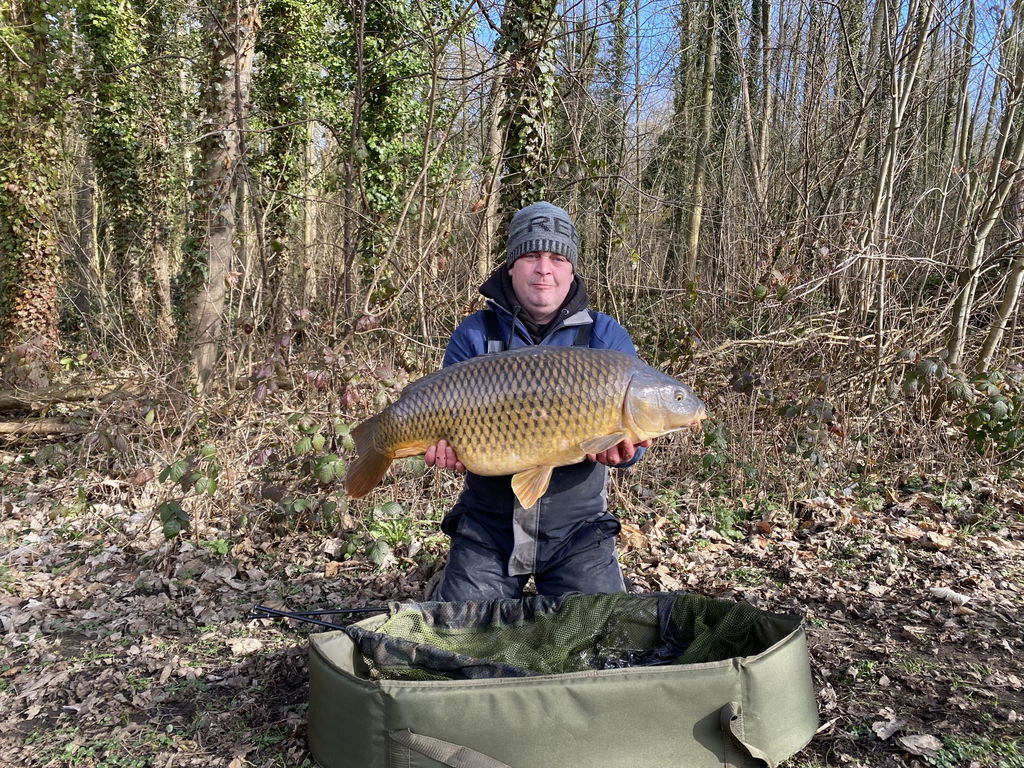
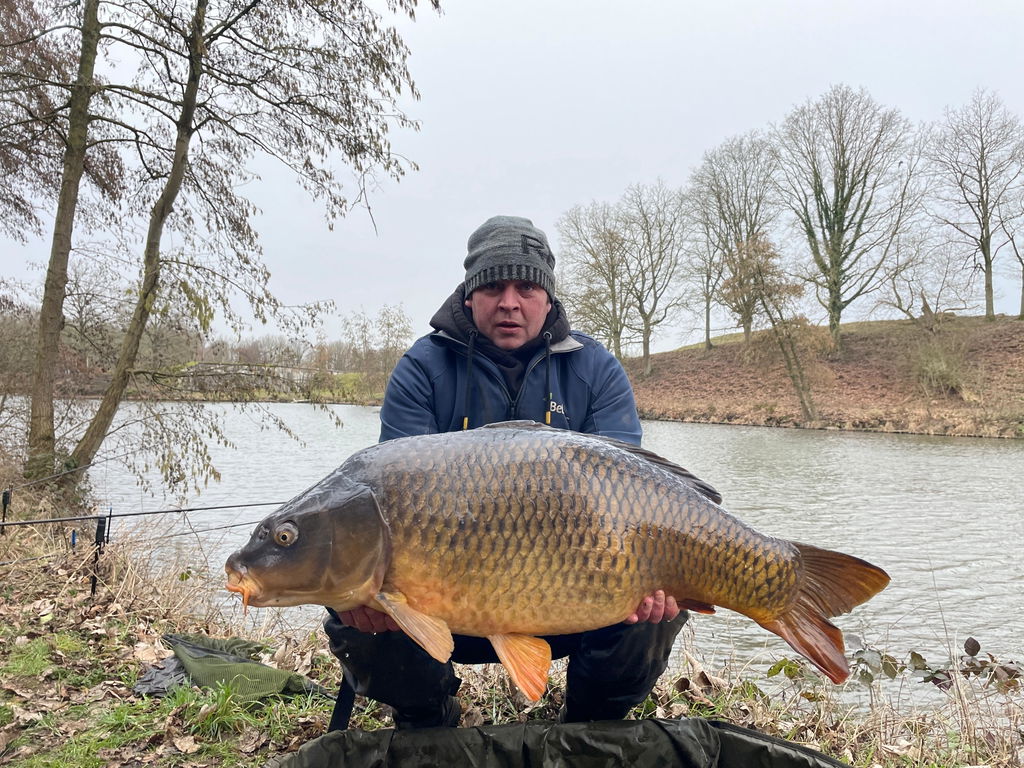
After a long period without action, the situation changes. The wind picks up nicely on the swim, the carp move into the area, and Scott decides to react to what he sees. He casts chod-rigs to the activity and eventually gets two bites in quick succession.
That moment perfectly shows why spring fishing is so exciting. You can go hours or even days with little action, but once the conditions are right, everything can happen at once. The combination of observing, thinking ahead, and switching at the right moment makes the session come alive.
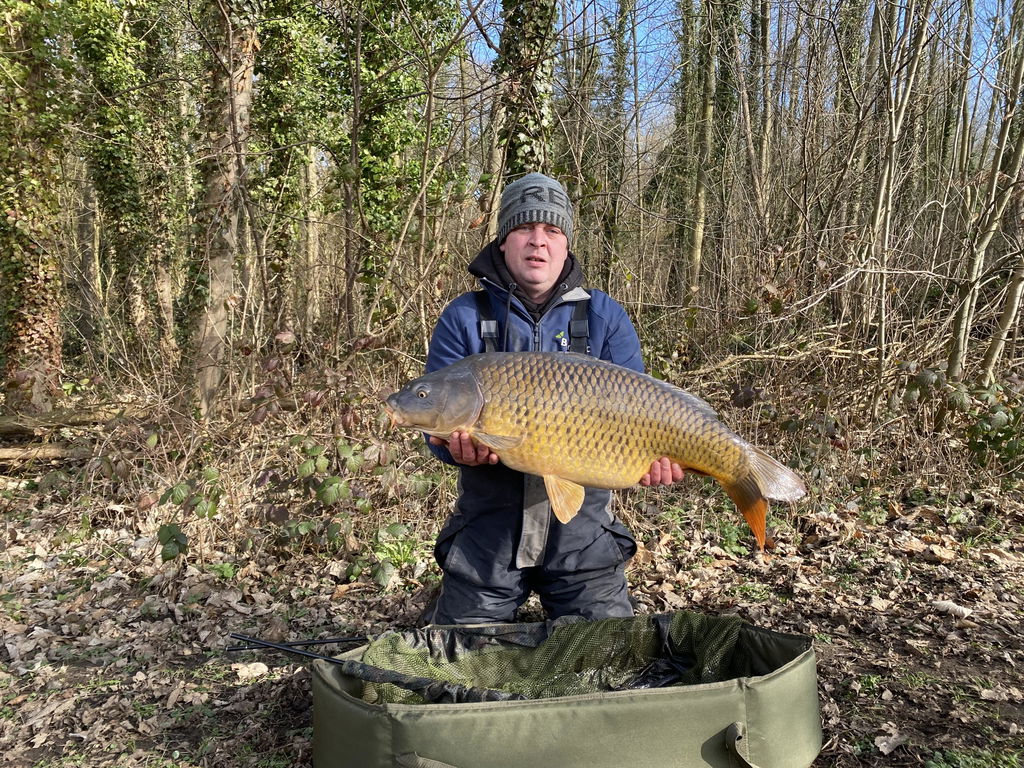
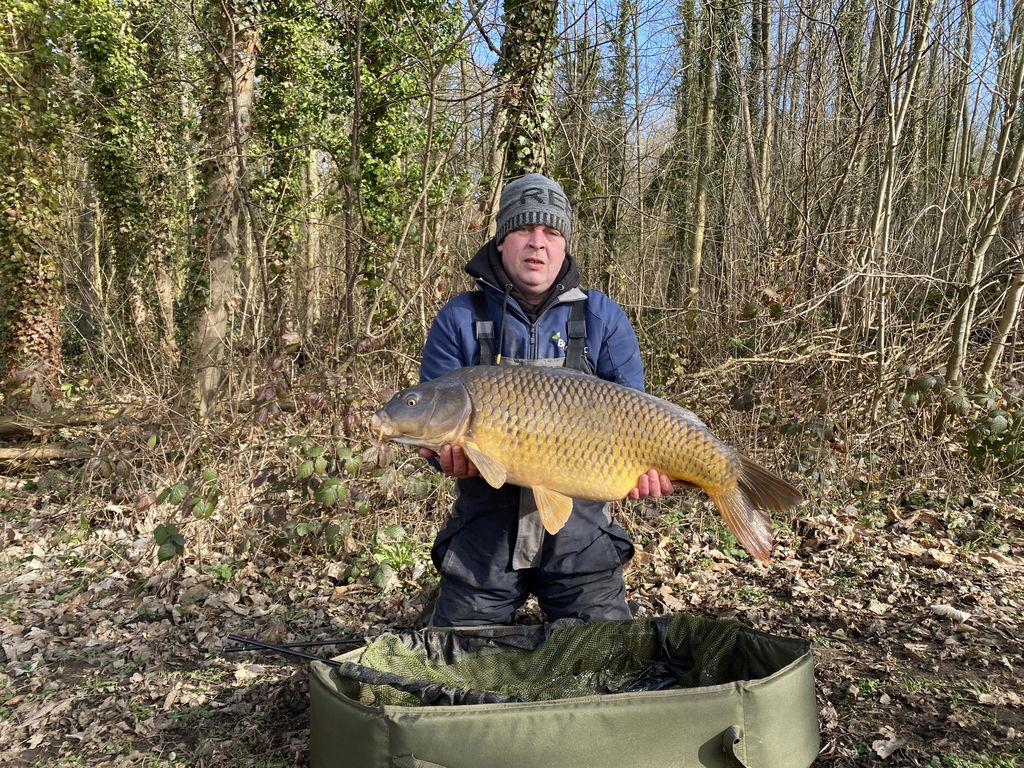
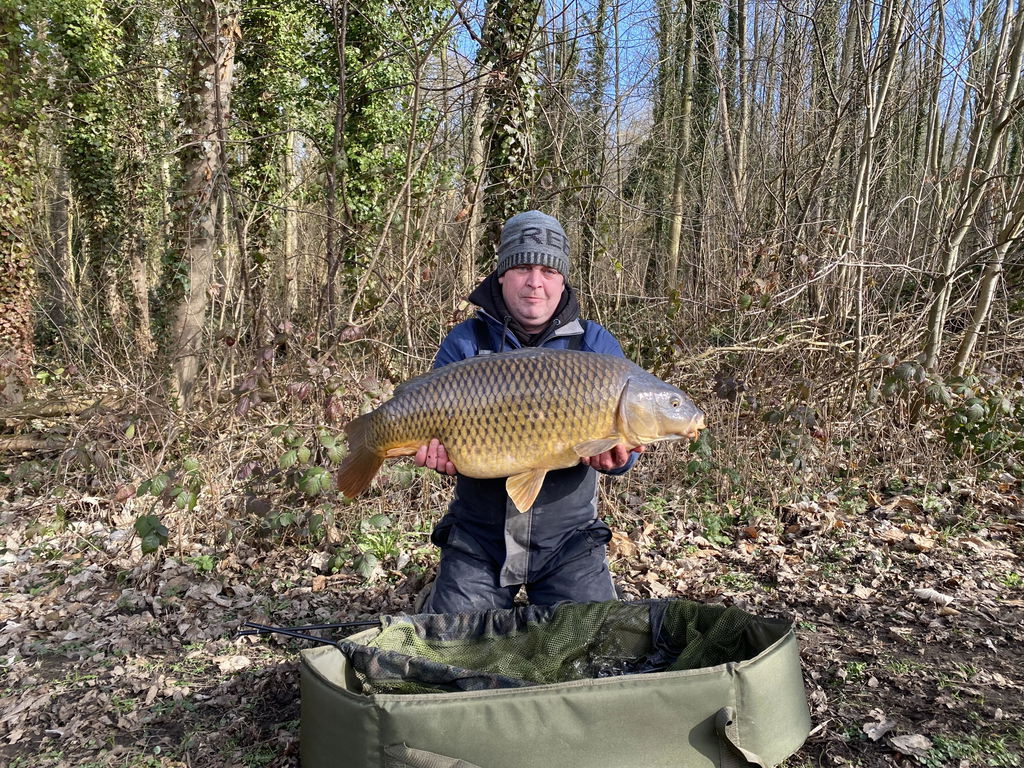
Scott lands two beautiful spring carp and highlights how good carp can look in this period. According to him, winter-to-spring carp are often in top condition: tight, beautifully coloured, and not yet damaged by the spawn.
What carp anglers can take from this video
This video is valuable because it doesn’t show a perfect session without setbacks. Instead, you see how an experienced carp angler deals with doubt, fishing pressure, changing weather, and carp that aren’t immediately in the right spot.
The main lesson is that spring fishing is about staying actively engaged. Watch the water. Pay attention to wind and temperature. Don’t feed too heavily. Choose your rig based on the bottom. And dare to change when the carp show your plan no longer fits.
For carp anglers wanting to get more from their spring sessions, this video is definitely worth watching. Not just for the catches, but especially for the thought process behind the choices. That’s exactly what makes the difference at the waterside.
About the author