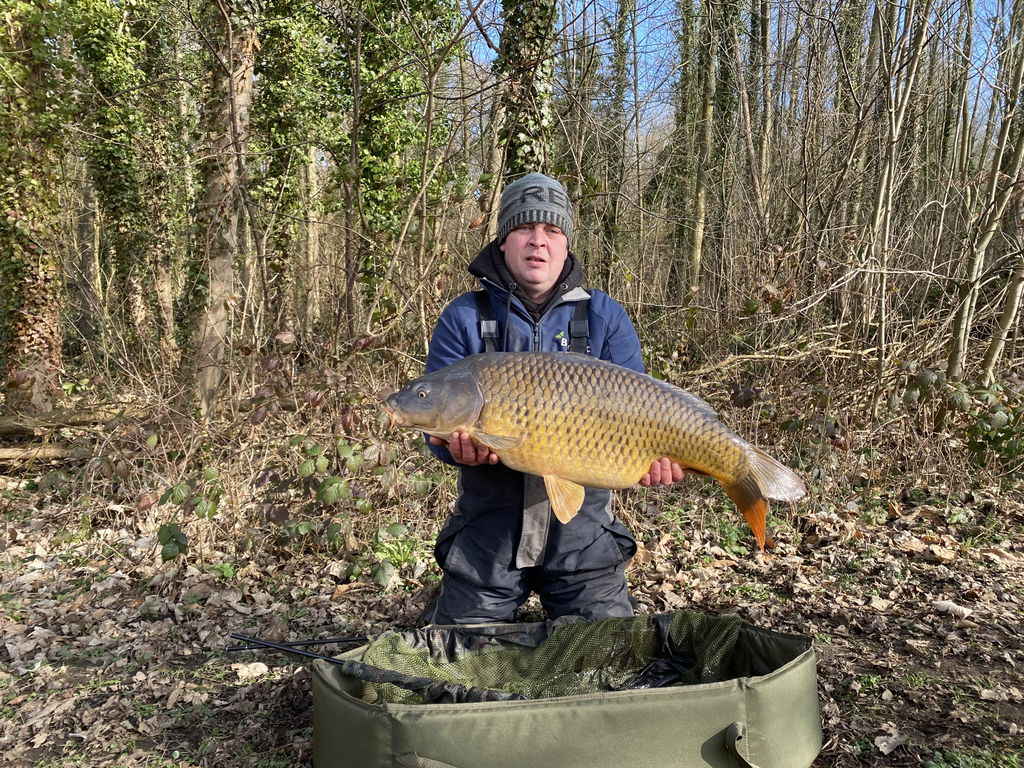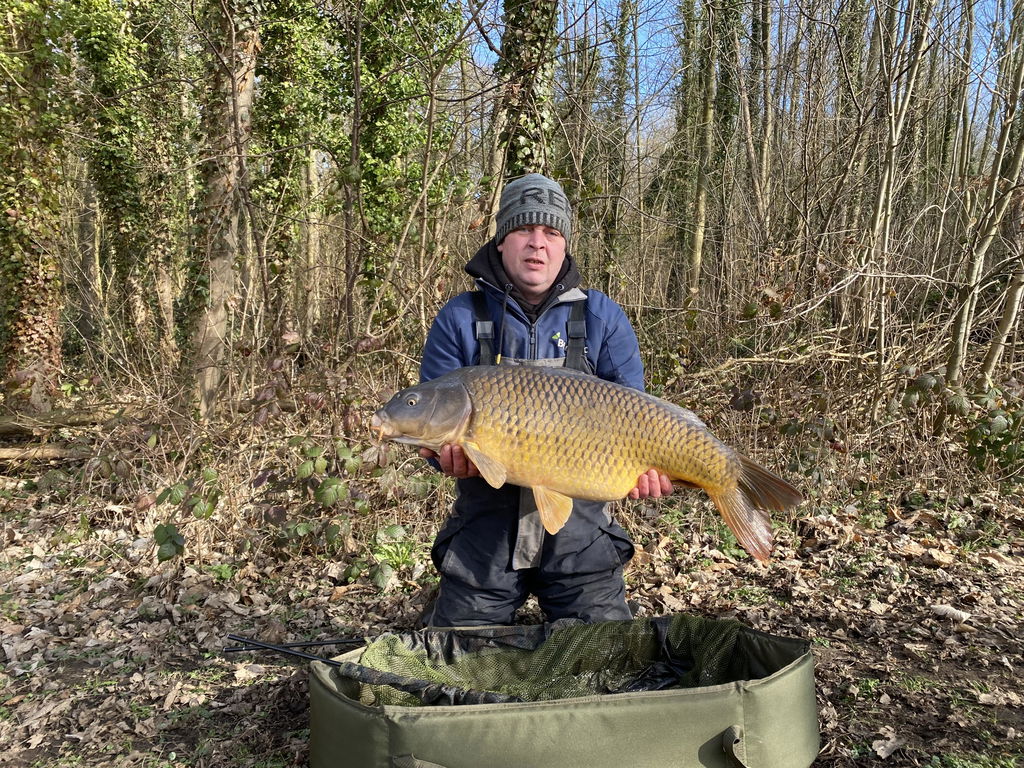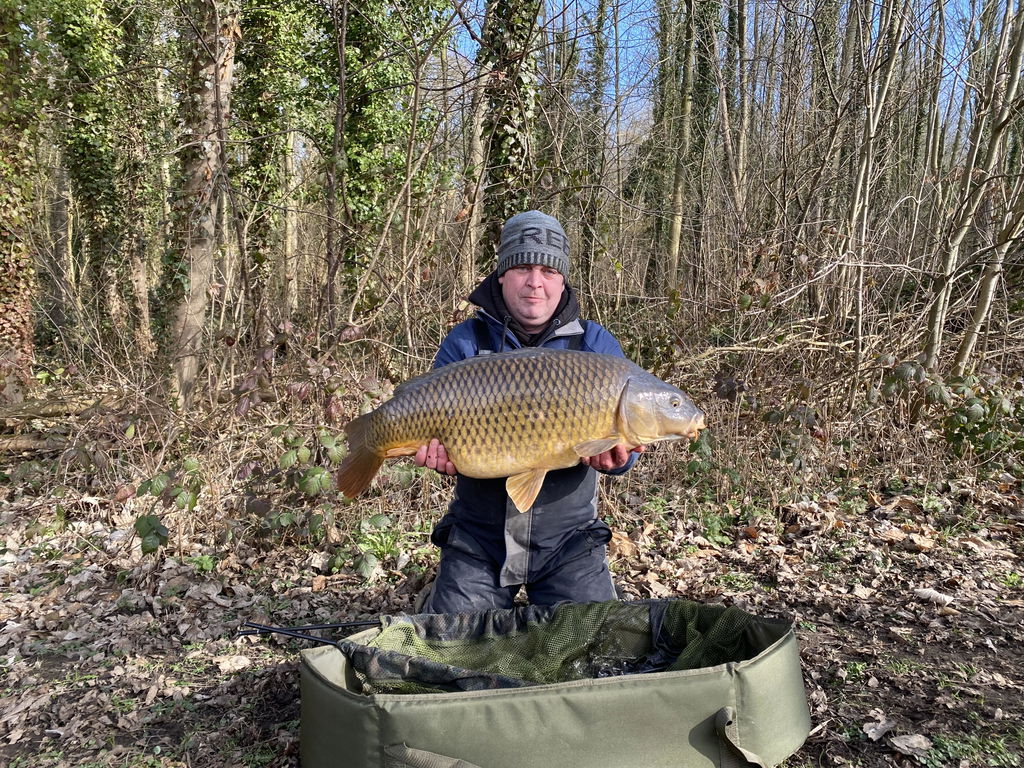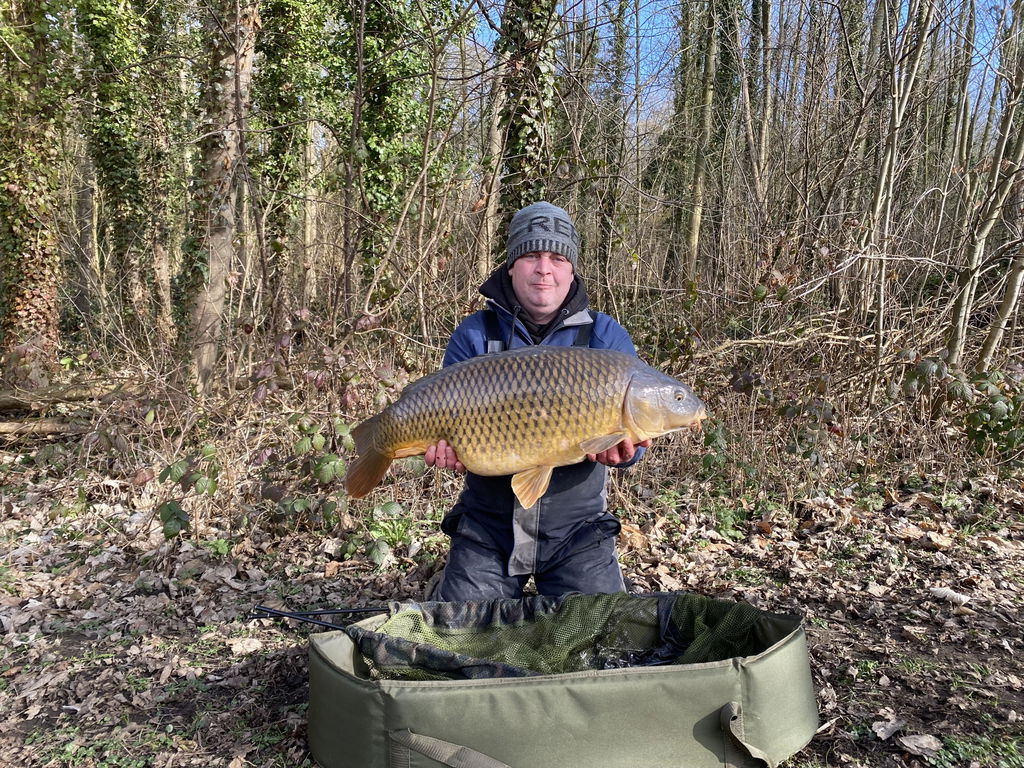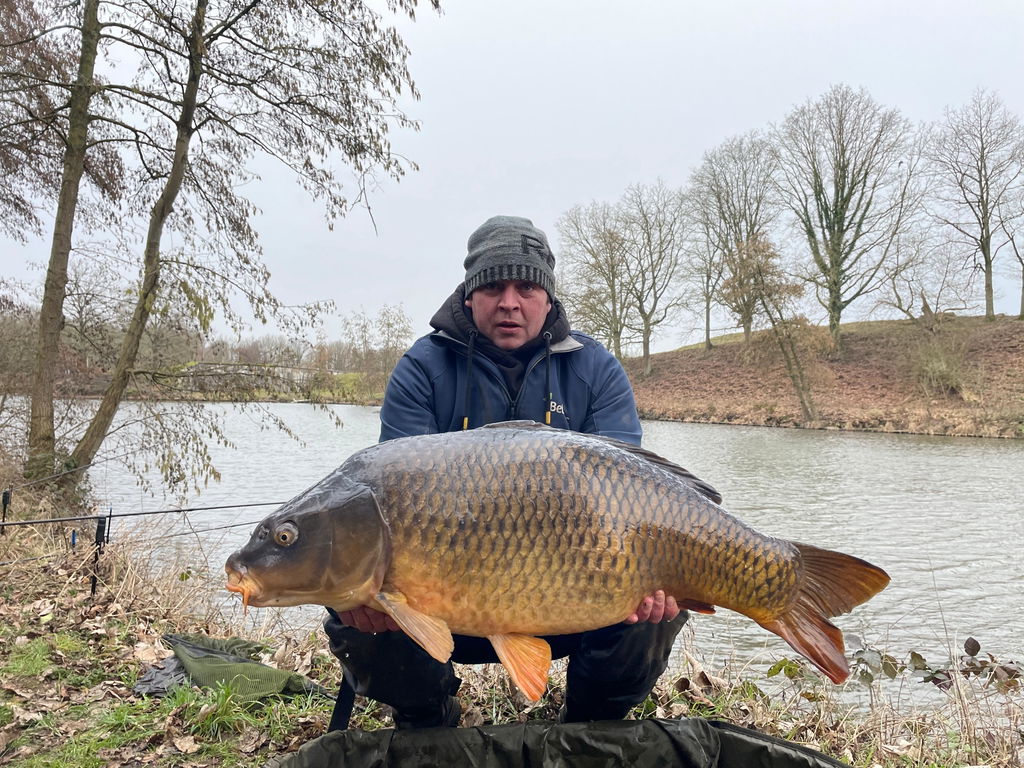

In this How-to video, Marco Tetteroo shows how effective zig fishing for carp can be. With the right depth, precise feeding, a cloudy feed trail, and a simple zig rig, he quickly gets bites.
Why zig fishing can be so effective
Zig fishing is a technique where you try to catch carp not on the bottom but in the water column. That makes this style of fishing especially interesting on days when carp hold high or swim actively through different layers.
In the video Successful Zig Fishing - Marco Tetteroo, Marco shows that zig fishing doesn’t have to be complicated. It’s mainly about logical searching, accurate feeding, and quickly switching when the carp respond at a certain depth.
The session starts under ideal conditions. It’s sunny, windless, and the air pressure is high and stable. Exactly the kind of day when carp often don’t lie tight on the bottom but can be active higher up in the water.
[ Insert video here ]
Find the carp in the right water layer
Zig fishing is all about depth. You try to find out in which water layer the carp are hanging out. Marco starts high in the water, about a meter below the surface. If there’s no action there, he works through the layers.
A handy method is to work your way up from the bottom. Gently pull the zig float towards the lead, slowly tighten the line, then give line in a controlled way. If you know the length of your hooklink and how much line you give, you can quite accurately determine at what height you’re fishing.
On a seven-meter-deep water, you can search step-by-step. First closer to the bottom, then gradually higher. That makes zig fishing much less of a gamble than many carp anglers think.
Why high air pressure is interesting
Marco mentions in the video that he likes to zig fish when the air pressure is high and stable. Under those conditions, carp often hold higher in the water. Especially on sunny, calm days, they can stay in the upper layers for a long time.
With low or falling air pressure, carp tend to stay closer to the bottom. That doesn’t mean zig fishing never works then, but the chances usually drop. So it’s smart to factor the weather into your choice.
Do you see high, stable air pressure and lots of fish activity near the surface? That’s a clear sign to get your zigs ready.
A simple zig rig often works best
The rig Marco uses is straightforward. A zig float lifts the leader up. The run clip ensures the system works smoothly and allows the lead to drop off during the fight.
This is especially important in waters with weed. When a carp is hooked and shakes its head, you don’t want heavy lead hanging on the line. By letting the lead go, you maintain more direct contact with the fish and reduce the chance of snagging.
For leader material, Marco uses floating zig line. That makes sense because a sinking leader takes away buoyancy from your foam or pop-up. In zig fishing, you want your hookbait to stay stable at the chosen height.
Which hook and hookbait do you use?
For zig fishing, Marco opts for a subtle hook, like a size 8. Zig fishing is often a delicate and subtle style, so you don’t want an overly coarse presentation.
For hookbait, you can use foam or a small pop-up. With a small screw system, you can quickly change color or buoyancy. That’s handy because small changes can make a big difference in zig fishing.
If the carp don’t respond to one color or shape, you can quickly try something else. Since you’re not fishing on the bottom but in the carp’s line of sight, the presentation of your hookbait can be crucial.
Preparation makes the difference
An important tip from the video is to have multiple zig leaders ready in advance. Marco recommends bringing at least six to nine prepared leaders.
The reason is simple. Once the carp are on the feed, action can come fast. You don’t want to be tying rigs calmly at the bank. You want to be able to cast again immediately.
Especially in active zig fishing, where you change depths and react quickly to bites, preparation means much more fishing time. And more effective fishing time means a better chance at catching carp.
Fishing accurately with distance sticks
Accuracy is crucial in zig fishing. You don’t just want to fish your zig at the right depth, but also return to the exact same spot every time. That’s why Marco uses distance sticks.
With distance sticks, you can pinpoint both your rod and bait distance exactly. This way, your rig always lands in the same zone and your bait stays concentrated around your fishing spot.
This is especially important when you’re using a spod to create a feeding trail or cloud effect. If your bait lands in different spots each time, you’ll scatter the carp instead of keeping them around your zigs.
Bait for zig fishing doesn’t have to be complicated
According to Marco, bait for zig fishing doesn’t have to be complicated. The main thing is to create a cloud effect in the water. That cloud draws carp into your zone and can keep them active.
You can add floating pellets or small dog biscuits to lure carp faster to the surface. But that’s not always wise. In wind, floating bait can drift away and pull carp off your spot.
That’s why it’s important to watch the conditions carefully. If it’s calm, you can use floating bait to pull fish up. If it’s windy, you need to be careful not to let your bait drift out of your fishing zone.
Bait slowly and keep reacting
During the session, Marco shows how quickly carp can react to bait. Sometimes there’s action after just a few spods. Still, calm baiting remains important.
If you bait too much or too wildly, you risk pushing fish out of the right zone or disturbing them unnecessarily. By baiting controlled and watching closely, you keep better control of the situation.
Marco works with short baiting sessions. For example, he sets a timer and baits again after about fifteen minutes. This keeps attraction in the water column regularly without dumping it all at once.
Watch the wind and drift
One of the key lessons from the video is that wind can quickly move your bait. With drone footage, Marco sees the bait being pushed to the right by the wind. So the carp aren’t exactly where he initially baited.
The solution is simple but effective: bait slightly left of your target zone, so the bait drifts into the right spot. That way the cloud ends up right above or around the zigs.
This is a good reminder for every carp angler. You’re not just fishing where you spodded, but where your bait actually ends up. Especially when zig fishing, a few meters of drift can make all the difference.
Use oil in strong wind
When it’s really windy, Marco gives an extra tip. By adding hemp oil or salmon oil to your bait, you can create a kind of flat spot. The water surface calms down and your bait stays more visible.
That not only helps you read your swim better, but can also keep your bait in the right zone a bit longer. Especially when working with a cloud of bait, you want to know where your attraction is.
Use this consciously. It’s not a magic fix, but a handy tool when wind and chop make it harder to keep track of your baited spot.
Moving for fish safety
In the video, Marco quickly gets action on a spot with a lot of weed. Still, he ultimately decides to move. Not because there’s no fish, but because the conditions become too difficult to safely and properly land the carp.
That’s an important choice. Catching fish is great, but the carp’s welfare always comes first. If you notice you can’t properly control your fish due to weed, obstacles, or other conditions, moving is often the right decision.
Better chances lie across the water. Less weed, wind at your back, and more control during the fight. That makes the spot not only more pleasant but also safer.
Keep adapting during the session
After moving, Marco keeps searching for the right approach. The zigs are set again at depth, the feeding spot is precisely maintained, and the feeding strategy is adjusted to the wind.
That’s exactly what makes the session educational. Zig fishing is not a passive technique. You have to keep thinking about depth, distance, bait, wind, and fish behavior.
When Marco feeds slightly left of the swim to compensate for drift, action follows again. This perfectly shows how small adjustments can bring immediate results.
What you can take away from this zig video
This video shows that successful zig fishing is mainly about searching and adapting. You don’t need a complicated system, but you do need to understand why you’re fishing at a certain depth and how your bait moves through the water.
The key lessons are clear. Choose zig fishing especially when there’s high, stable air pressure and fish activity higher in the water. Work with different depths. Use a simple but safe rig. Prepare multiple leaders. Feed precisely and adjust your feeding spot according to wind and drift.
Marco also shows that fish welfare always comes first. If there’s too much weed or you can’t properly control the carp, moving spots is the better choice.
Zig fishing is easier than it looks
Zig fishing may seem complicated to many carp anglers, but the basics are actually very logical. You target the carp in the water layer where they are and present a striking or subtle hookbait there.
With a good zig line, a sharp hook, foam or pop-up, and a reliable setup, you can get started quickly. After that, it’s all about working accurately and keeping a close eye on things.
This session with Marco Tetteroo shows just how effective it can be. Within a short time, multiple takes come in, depths are adjusted, and smart feeding creates extra action. For carp anglers who want to do more than just wait on the bottom during warm, calm days, zig fishing is definitely a technique worth getting serious about.