
In this How-to video, Simon Dew explains how to use PVA smartly in carp fishing. From PVA mesh and solid bags to PVA tape, nuggets, and handy edges for a better presentation around your rig.
Why PVA is so effective in carp fishing
PVA is one of the most used tools in carp fishing. And for good reason. With PVA, you can precisely offer a small amount of bait around your hookbait, protect your rig during the cast, and increase the chance of a neat presentation.
In the video How To Use PVA for Carp Fishing, Simon Dew explains step-by-step how to use PVA. The explanation suits beginner carp anglers but also contains plenty of smart tips for those wanting to refine their approach.
The main advantage of PVA is control. You decide exactly how much bait ends up around your rig. This makes PVA ideal when you want to fish quickly, react actively to jumping carp, or create a small compact bait spot without spreading too much bait at once.
What exactly is PVA?
PVA is a material that dissolves in water. In carp fishing, it’s used to keep bait together temporarily during the cast. Once the package lands on the bottom, the material dissolves, leaving a compact bait spot around your rig.
There are different types of PVA. The video covers four key forms: PVA mesh, solid PVA bags, PVA tape, and dissolving nuggets. Each variant has its own application.
Which PVA you choose depends on your spot, your rig, your bait, and how you want to fish. Sometimes you just want to protect your hook. Sometimes you want a small pile of pellets around your bait. And sometimes you want to present a fully wrapped rig in a compact solid bag.
PVA mesh: easy, quick, and versatile
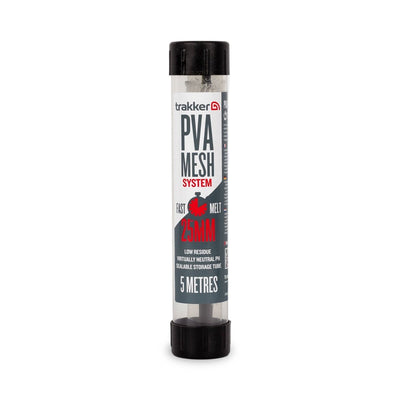
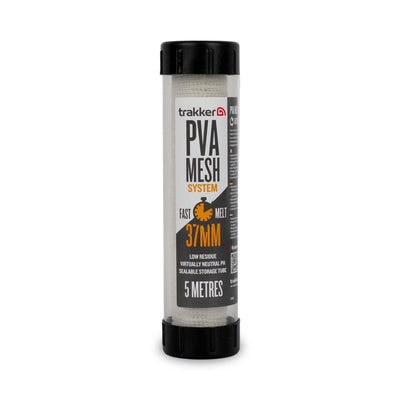
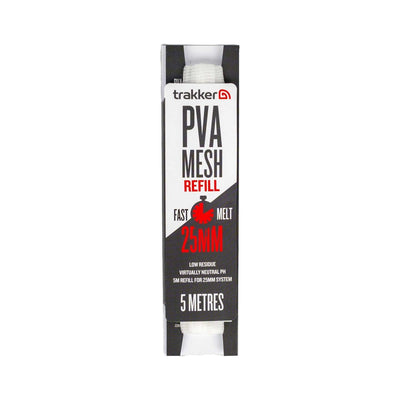
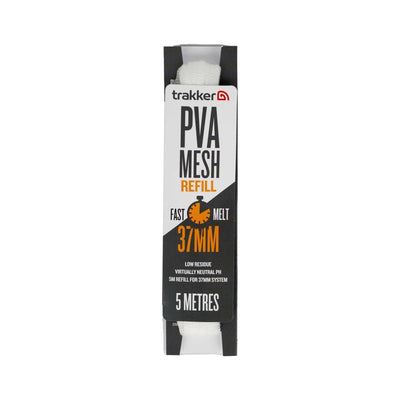
PVA mesh is often the first type of PVA carp anglers start with. It’s easy to use and quick to prepare. You fill the net with pellets, boilie crumb, or other dry bait, press it down with the plunger, and tie the package tightly.
You can simply prick a mesh bag onto your hook. This immediately creates a small bait package on your rig. This not only helps attract carp to your bait but also reduces the chance of tangles.
A smart way is to slide the mesh bag over your leader using a boilie needle. This way, the bag covers the hook and keeps the bait in place during the cast. At the same time, it protects the hook point from leaf debris, dirt, or other small bottom litter.
Why pre-tying is so important
A practical tip from the video is to prepare several PVA mesh bags in advance. Keep them dry, for example in a bucket with pellets. That way, you always have a few bags ready for action.
This is especially useful when you see a carp jumping or rolling. You don’t have to tie a bag at the water’s edge first. You simply grab a ready-made mesh bag, prick it onto your rig, and cast straight to the area where you see activity.
This is also handy when you miscast. If you’re fishing tight against an island, slope, or distinct zone, you sometimes want to cast multiple times until everything lies right. With pre-tied PVA bags, you lose much less time.
Solid PVA bags for a compact presentation
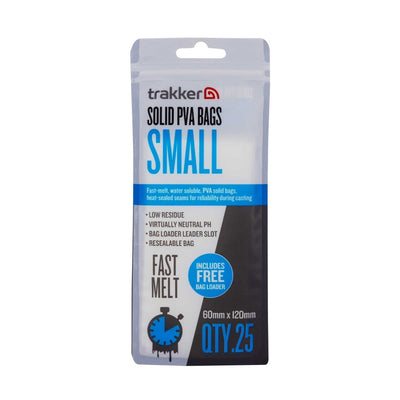
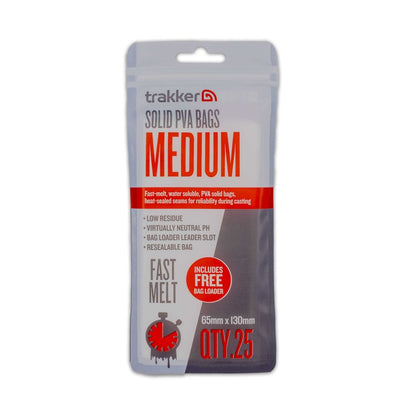
A solid PVA bag differs from mesh. While mesh has an open structure, a solid bag is completely closed. You don’t just put bait in the bag, but also your lead and rig. This creates a very compact, aerodynamic presentation.
Solid bags are ideal when fishing with heavy attraction in a small spot. Because everything is tightly packed in one bundle, it casts well and your rig lands protected on the bottom. This is especially useful in spots with light weed growth, soft bottoms, or some debris.
It’s important to keep the contents small and compact. Think small pellets, boilie crumb, or fine bait. Large coarse pieces create air pockets, a looser bag, and a less tidy presentation.
This is how you build a solid PVA bag
Start with a thin layer of dry bait at the bottom of the bag. Then place your rig neatly inside, keeping hookbait and hook well separated. Next, add more bait, place the inline lead, and fill the rest of the bag.
Then press the bag firmly. The less air inside, the better the bag casts and the cleaner it dissolves. Twist the top tightly closed, tie it off with PVA tape, and neatly tuck away the corners.
A few small holes in the bag help water penetrate faster. This makes the bag dissolve better and releases the presentation quicker on the bottom.
The right rig for solid bags
For solid bags, a short, supple leader is often used. The video shows a simple rig with a soft braid, a curve shank hook, kicker, hook ring swivel, and a wafter.
A wafter pairs well with a solid bag because the hookbait is presented just a bit lighter among the bait. When a carp sucks in the compact bait pile, the wafter can quickly follow into the mouth.
Simon Dew states he keeps his leader around 6 inches. Some carp anglers use shorter, but a bit more length can provide more movement and better hooking. Especially if you want fewer hook pulls, this can make a difference.
When to use a solid bag?
Solid bags are strong when you arrive at a water and want to fish quickly. If you see carp activity while walking around, you can immediately cast a solid bag on that spot while setting up the rest of your gear.
A solid bag can also work well on a larger feeding spot. You then offer a compact package among loose bait. The carp get one attractive mouthful with your hookbait perfectly in the middle.
Be careful with moisture. Everything that goes into a solid bag must be PVA-friendly. So use dry ingredients or liquids suitable for PVA. Water-based liquids will dissolve the bag before you even start fishing.
PVA tape for stringers and anti-tangle solutions
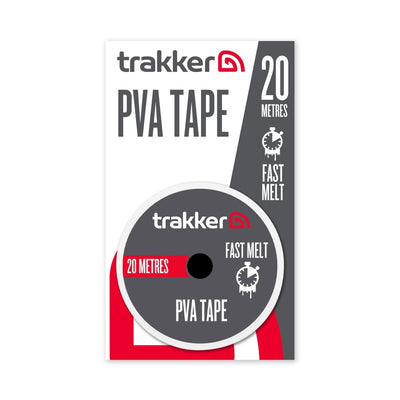
PVA tape is handy for more than just tying solid bags. You can also use it to temporarily hold your rig together during the cast. This prevents your hair or hookbait from wrapping around the hook.
A well-known application is the boilie stringer. You thread a few boilies onto PVA tape and slide this up to your hook. During the cast, this helps prevent tangles. On the bottom, the tape dissolves and the boilies remain as a small trail around your hookbait.
A stringer is ideal when you don’t want to feed much but still want a little extra attraction around your rig. Especially in stillwater carp fishing with a subtle baiting strategy, this can be a simple but effective choice.
PVA nuggets for protection and visibility
PVA nuggets are often used to protect the hook point. You clamp a nugget around the hook before casting. This keeps the hook point free from dirt, weed, or debris during landing.
After dissolving, the nugget rises to the surface. This immediately gives you a handy aiming point. You can see roughly where your rig lies and can feed boilies or other bait around it if needed.
Nuggets can also be useful when using a bait boat. They protect the hook from the bait in the bait boat, so the hook point isn’t masked before the rig lands on the bottom.
The lead-in-the-bag edge
A smart tip from the video is the lead-in-the-bag presentation. This is a kind of middle ground between a mesh bag and a solid bag. You put the lead in a PVA mesh bag with some pellets, but the rig remains attached on the outside.
The advantage is that you get a compact presentation without having to tie a full solid bag. The hook can be pierced through the underside of the mesh bag, giving you almost no chance of tangles.
Because a small loop remains in the hooklink, the hookbait can be drawn further inside when a carp takes the package. This can help with a deeper hookset and a better hookhold.
Important points to note about PVA
PVA only works well if you keep it dry. Wet hands, rain, condensation, or damp bait can cause PVA to start dissolving too early. Always store PVA dry and work as neatly as possible.
Don’t use overly coarse bait in small bags. Especially with solid bags, you want as few air pockets as possible. Small pellets and crumbs create a tighter bag and a better presentation.
Also consider where you’re fishing. A mesh bag is fast and versatile. A solid bag is strong as a compact all-in-one presentation. Tape is perfect for stringers and small rig adjustments. Nuggets are ideal for hook protection and a visible aiming point.
Which PVA should you choose as a carp angler?
For beginners, PVA mesh is often the best start. It’s easy to tie, quick to use, and works with many different rigs. You immediately get a small amount of bait around your hookbait and reduce the chance of tangles.
If you want to fish more targeted and compact, solid bags are a strong next step. They take a bit more time to tie properly but provide a very reliable presentation with lots of attraction on a small area.
PVA tape and nuggets are especially useful as support tools. They solve specific problems like tangles, hook protection, visibility of your rig position, or offering a small boilie stringer.
What you can take away from this How-to video
This video clearly shows that PVA doesn’t have to be complicated. It’s mainly about thinking logically. Do you want bait around your rig? Protect your hook? Reduce tangles? Or create a compact presentation on tricky ground?
Once you understand why you use PVA, choosing the right type becomes easier. Mesh is quick and simple. Solid bags are compact and powerful. Tape is versatile. Nuggets offer protection and control.
For carp anglers looking to gain more confidence in their rig presentation, PVA is a valuable addition. It helps you fish cleaner, react faster, and create a small, attractive bait spot around your hookbait with more certainty.